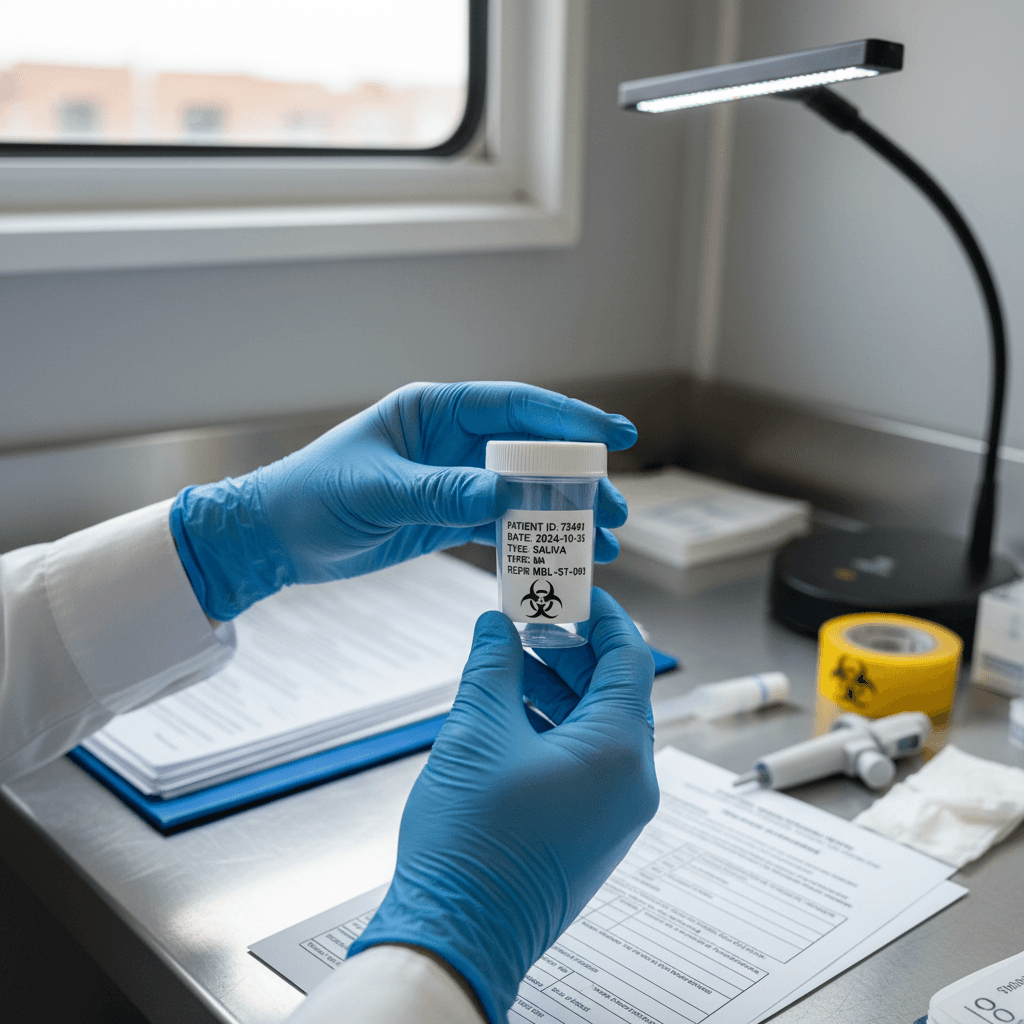
Employers must obtain a verified negative DOT pre-employment drug test result before a new hire can legally perform any safety-sensitive functions. This mandatory screening process also requires businesses to complete a Clearinghouse query and maintain all documentation within the driver qualification file to ensure full regulatory compliance.
Hiring a new driver in Charlotte often feels like a race against the clock, but rushing the process can lead to devastating DOT violations. For local fleet managers, the pressure to get trucks moving must be balanced against rigorous federal mandates that leave zero room for error. A single administrative oversight, such as failing to run a Clearinghouse query or testing a driver too late, can trigger significant fines and legal liability. This guide provides a practical roadmap for North Carolina employers to ensure full compliance before a new hire hits the road. You will learn the specific timing requirements for the DOT pre-employment drug test, the essential documents for your Driver Qualification File, and the consequences of a test refusal. Understanding these nuances protects your business, your drivers, and the safety of the Charlotte community.
Understanding the DOT Pre-Employment Drug Test Mandate

Under Federal Motor Carrier Safety Administration (FMCSA) regulations, specifically 49 CFR §382.301, the requirement for a DOT pre-employment drug test is a strict legal mandate. For Charlotte fleet managers, this is not a discretionary screening or a best practice; it is a federal prerequisite for any individual operating a Commercial Motor Vehicle (CMV) that requires a Commercial Driver’s License (CDL).
It is important to differentiate between general hires and those performing safety-sensitive functions. While an employee hired for dispatch or administrative office work may not require testing under DOT rules, any driver who will be behind the wheel, loading cargo, or performing vehicle inspections must be cleared. This distinction is vital for maintaining workplace safety and audit compliance within your organization.
The compliance process is only complete once the employer receives a verified negative result from a Medical Review Officer (MRO). Simply sending a candidate to a clinic for specimen collection services does not satisfy the law. The negative result must be received and verified by the MRO before the driver is permitted to perform their first safety-sensitive task. If a driver touches the wheel before this verification is in your files, your company is in direct violation of federal law. If you have questions about specific requirements for your fleet, you can contact our Charlotte office for guidance.
The Timeline: When to Schedule a DOT Pre-Employment Drug Test
Coordinating the arrival of a new driver requires precise timing to avoid operational bottlenecks. While you are free to conduct interviews and extend a conditional offer of employment, the candidate cannot perform any safety-sensitive functions until the compliance process is finalized. The safety-sensitive clock refers to the moment a driver begins any task regulated by the FMCSA, such as pre-trip inspections or operating the vehicle. To protect your company's bottom line, schedule the DOT pre-employment drug test as the final step in your onboarding sequence. This ensures you do not incur the cost of specimen collection services for candidates who might be disqualified by a failed background check or a poor motor vehicle record.
To keep your fleet moving, follow this specific timeline for new hires:
Complete interviews and verify CDL credentials.
Run the MVR and conduct previous employment history verifications.
Issue a conditional offer of employment.
Schedule the drug test at our Charlotte facility.
Confirm the MRO verification before assigning a dispatch.
Most negative results are returned within 24 to 48 hours. However, if a specimen requires further laboratory analysis or if the MRO must contact the driver to discuss a potential issue, the process can take several additional days. Logistics managers should build this buffer into their start dates to avoid last-minute dispatch delays. Once the verified negative result is in your files, the driver is legally permitted to take the wheel. If you need assistance streamlining this timeline for your fleet, you can contact our Charlotte office to discuss a testing schedule that fits your hiring volume.
Mandatory FMCSA Clearinghouse Queries for New Hires
A verified negative DOT pre-employment drug test is only one half of the federal compliance equation. Many fleet managers in the Charlotte area mistakenly believe that a clean lab report is the final green light required for dispatch. Since January 2020, the FMCSA has mandated a second, equally critical step: the Pre-Employment Full Query. This process involves checking the federal Drug and Alcohol Clearinghouse to ensure a driver does not have outstanding violations or a "prohibited" status resulting from an incident with a previous employer.
The Full Query differs significantly from the annual Limited Query conducted for existing employees. A Limited Query only alerts an employer if a record exists, whereas a Full Query provides the specific details of a driver’s eligibility. Because a Full Query reveals sensitive data, the FMCSA requires the driver to provide electronic consent directly through the Clearinghouse portal. This means the driver must be registered in the system before you can complete the hiring process. You cannot substitute a paper consent form for this specific requirement; the authorization must be digital and verified by the FMCSA.
If a query returns a status of "Prohibited," the driver is legally barred from operating a CMV until they complete the Return-to-Duty process. Relying solely on specimen collection services without verifying Clearinghouse status exposes your business to significant liability and heavy fines during a DOT audit. Managing these digital records is essential for maintaining workplace safety and audit compliance. To avoid onboarding delays, instruct your candidates to register with the Clearinghouse as soon as they receive a conditional offer. This allows them to be ready to grant consent the moment you initiate the query. If your team needs assistance navigating the portal or understanding how these queries integrate with your testing program, you can contact our Charlotte office for expert support.
What Must Be in the Driver Qualification File Before the First Trip
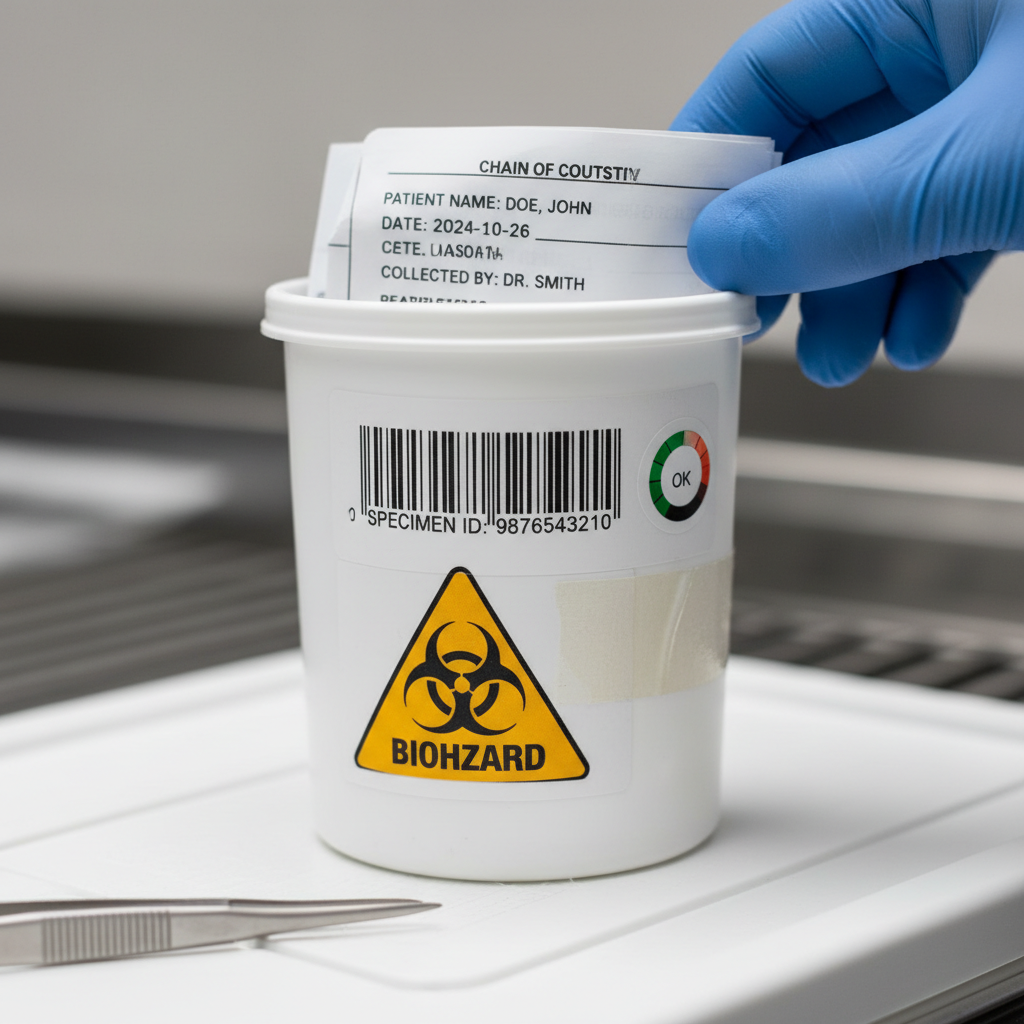
The Driver Qualification File (DQF) serves as your primary defense during a state or federal audit. For fleet managers in North Carolina, the Department of Transportation (DOT) expects to see a comprehensive digital or paper trail that confirms a driver was fully vetted before ever touching a steering wheel. Simply having the documents is not enough; the timestamps on these records must predate the driver’s first dispatch to ensure workplace safety and audit compliance.
To meet federal standards, your DQF must include the following specific testing records: - The verified negative DOT pre-employment drug test result signed by a Medical Review Officer. - The official result record of the FMCSA Clearinghouse Full Query demonstrating a "Not Prohibited" status. - Documentation of the driver’s drug and alcohol testing history from all DOT regulated employers over the previous three years.
During a North Carolina DOT audit, inspectors will cross-reference these documents against the driver’s first trip logs. If a driver performed a safety-sensitive function before the MRO verified the negative result or before the Clearinghouse query was completed, the carrier faces significant fines per violation. Maintaining an organized DQF ensures that every hire is backed by verifiable data and that your business is protected from liability.
Managing these files requires precision, especially when coordinating multiple specimen collection services for a growing fleet. If you are unsure if your current filing system meets the specific requirements for a North Carolina compliance review, you can contact our Charlotte office to review your onboarding protocols and documentation standards.
Does a Failed Pre-Employment Drug Test Go on the Clearinghouse?
A failed DOT pre-employment drug test must be reported to the FMCSA Drug and Alcohol Clearinghouse. Under regulations established in January 2020, prospective employers are legally required to report any positive test result or refusal to test that occurs during the hiring process. This reporting requirement is a pillar of workplace safety and audit compliance, ensuring that drivers who test positive cannot simply move to the next carrier without addressing the violation.
When a violation is reported, the driver’s status in the Clearinghouse immediately changes to prohibited. To regain eligibility for safety-sensitive duties, the driver must complete the federal Return to Duty (RTD) process. This involves a formal evaluation by a Department of Transportation qualified Substance Abuse Professional (SAP), followed by a prescribed course of education or treatment. Only after a SAP provides a formal clearance and the driver passes a return to duty drug test under direct observation can the prohibited status be lifted.
For Charlotte employers, the responsibility to report applies even if the candidate is never officially hired. If a driver fails a test during your specimen collection services, the legal burden of documentation and reporting falls on your company. If your team is unclear on the specific reporting windows or how to navigate the SAP referral process, you can contact our Charlotte office for expert guidance on meeting these federal obligations.
Understanding DOT Refusal to Test Consequences
While a positive lab result is a clear violation, a refusal to test carries identical legal weight and reporting requirements. Under 49 CFR Part 40, a refusal occurs if a driver fails to appear for a DOT pre-employment drug test within a reasonable time, leaves the collection site before the process is complete, or fails to provide a sufficient volume of urine without a valid medical explanation. Employers must ensure their candidates understand that once the collection process begins, they cannot exit the facility until the collector releases them.
Specific examples of refusal include: - Leaving the facility after the testing process has commenced but before the collection is complete. - Failing to permit a monitored or observed collection when required by regulations. - Declining to provide a second specimen if the collector or Medical Review Officer directs it.
A refusal is legally equivalent to a positive test result. It triggers an immediate prohibited status in the FMCSA Clearinghouse and necessitates the full Return-to-Duty process. For Charlotte fleet managers, explaining these stakes to a candidate before they arrive for specimen collection services is a vital step in workplace safety and audit compliance. If a candidate walks out because of a long wait or a misunderstanding of the rules, your company is still obligated to report the event as a violation. If you need clarity on what specifically constitutes a refusal during the onboarding phase, you can contact our Charlotte office for expert consultation.
Why Local Charlotte Employers Choose TL Works for DOT Compliance
Fleet managers operating along the I-77 and I-85 corridors require a testing partner that understands the fast pace of the Charlotte logistics and construction industries. TL Works provides specialized specimen collection services designed to eliminate the procedural errors that lead to canceled tests and hiring delays. By focusing on technical precision during every collection, we ensure your DOT pre-employment drug test records remain pristine for state and federal inspectors.
Our process prioritizes workplace safety and audit compliance by providing the verified, timestamped documentation necessary for a legally sound Driver Qualification File. We act as a local resource to help North Carolina carriers navigate complex reporting requirements without sacrificing operational speed. You can contact our Charlotte office to discuss how our local presence supports your specific fleet requirements and keeps your drivers moving safely.