
Effective DOT audit preparation involves organizing comprehensive records of drug and alcohol testing, supervisor training, and Clearinghouse queries to meet FMCSA compliance standards. Motor carriers must strictly adhere to federal retention schedules for all safety-sensitive documentation to ensure that required data is readily available for inspection during a review.
The sound of a DOT investigator arriving for a compliance review often triggers immediate stress for even the most organized fleet managers. Missing a single drug test record or a lapsed supervisor training certificate can lead to costly fines, downgraded safety ratings, and significant operational delays. While the FMCSA audit process feels intimidating, it is ultimately a test of your documentation systems rather than a trial of your character. This guide provides a technical roadmap to mastering your recordkeeping obligations. You will learn the specific retention periods for drug testing data, how to navigate the FMCSA Clearinghouse query requirements, and how to verify that your random testing rates meet 2024 standards. We will also identify common red flags that trigger deeper scrutiny, ensuring your files remain audit ready at all times.
Understanding the FMCSA Compliance Review Process
A Federal Motor Carrier Safety Administration (FMCSA) compliance review is an intensive examination of a motor carrier’s safety and operational records to determine their safety fitness rating. For carriers operating in Charlotte, North Carolina, these investigations generally fall into two distinct categories. A New Entrant Safety Audit occurs within a carrier’s first 12 months of operation to ensure foundational systems are in place. In contrast, a standard Compliance Review is a deeper dive, often triggered by a high CSA score, a serious accident, or a follow up investigation.
Successful DOT audit preparation requires understanding that an auditor’s assessment is based entirely on the paper trail you provide. You might have a clean testing history, but without organized records, your business looks non-compliant to an investigator. For local firms, professional specimen collection services are only one part of the equation; the real work lies in maintaining the data behind those tests.
An auditor will examine your drug and alcohol policy, proof of receipt, and individual testing files to see if your actions match the regulations. In the eyes of the FMCSA, a safety program only exists if there is documentation to prove it. You can learn more about our DOT compliance expertise to see how organized recordkeeping prevents costly fines and protects your operating authority.
The Core FMCSA Drug and Alcohol Audit Checklist
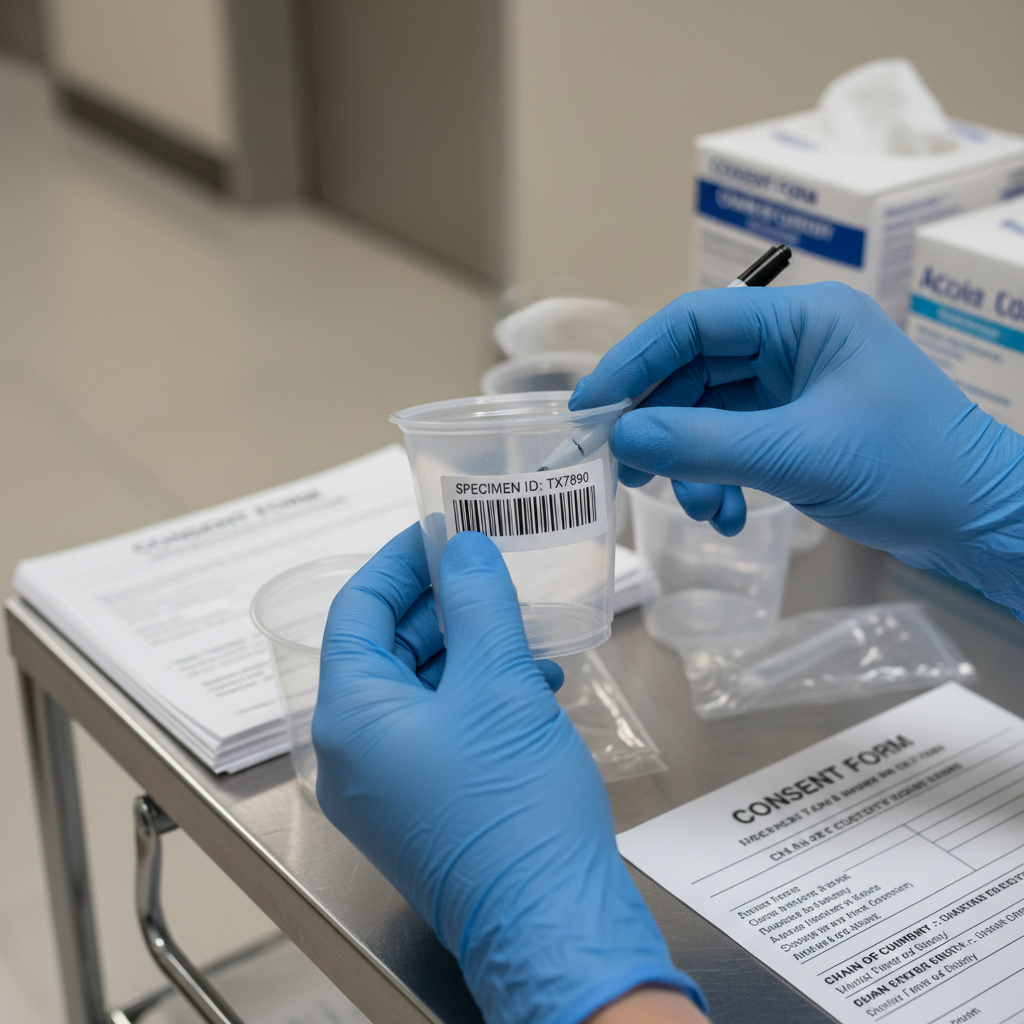
Building on the concept that documentation defines your safety program, the first step in successful DOT audit preparation is centralizing the specific files an investigator will request upon arrival. For Charlotte carriers, the most common administrative error is intermingling documents, which can lead to privacy violations or unintended scrutiny of unrelated records.
An auditor will typically begin by requesting your primary program documents. You must be prepared to provide the following immediately:
The written Company Drug and Alcohol Policy: This must be the specific version in effect during the time period being audited.
Signed Proof of Receipt: A signed and dated statement from every driver confirming they received a copy of the company policy.
Random Testing Summary: Documentation showing your annual testing rates and the specific methods used to select drivers for testing.
Chain of Custody Forms (CCFs): The carbon copies or digital records from each specimen collection services encounter.
MRO Results: The final, verified reports from the Medical Review Officer for every drug test performed.
A critical distinction in professional recordkeeping is the separation of the Driver Qualification (DQ) File from the Drug and Alcohol Testing File. While the DQ file includes the driver's application, motor vehicle records, and road test certificate, it should never contain drug test results or MRO reports. Testing files contain sensitive medical information and should be stored in a separate, secured cabinet or a restricted digital folder.
Maintaining this separation protects driver privacy and ensures that an auditor reviewing a driver's licensing credentials does not inadvertently see a positive test result or a private medical disclosure. By keeping these records distinct, you demonstrate a higher level of about our DOT compliance expertise and professionalism, which often sets a positive tone for the remainder of the investigator's review. Being organized suggests that your safety program is managed with intent rather than by accident.
DOT Drug Testing Record Retention Requirements: How Long to Keep Everything
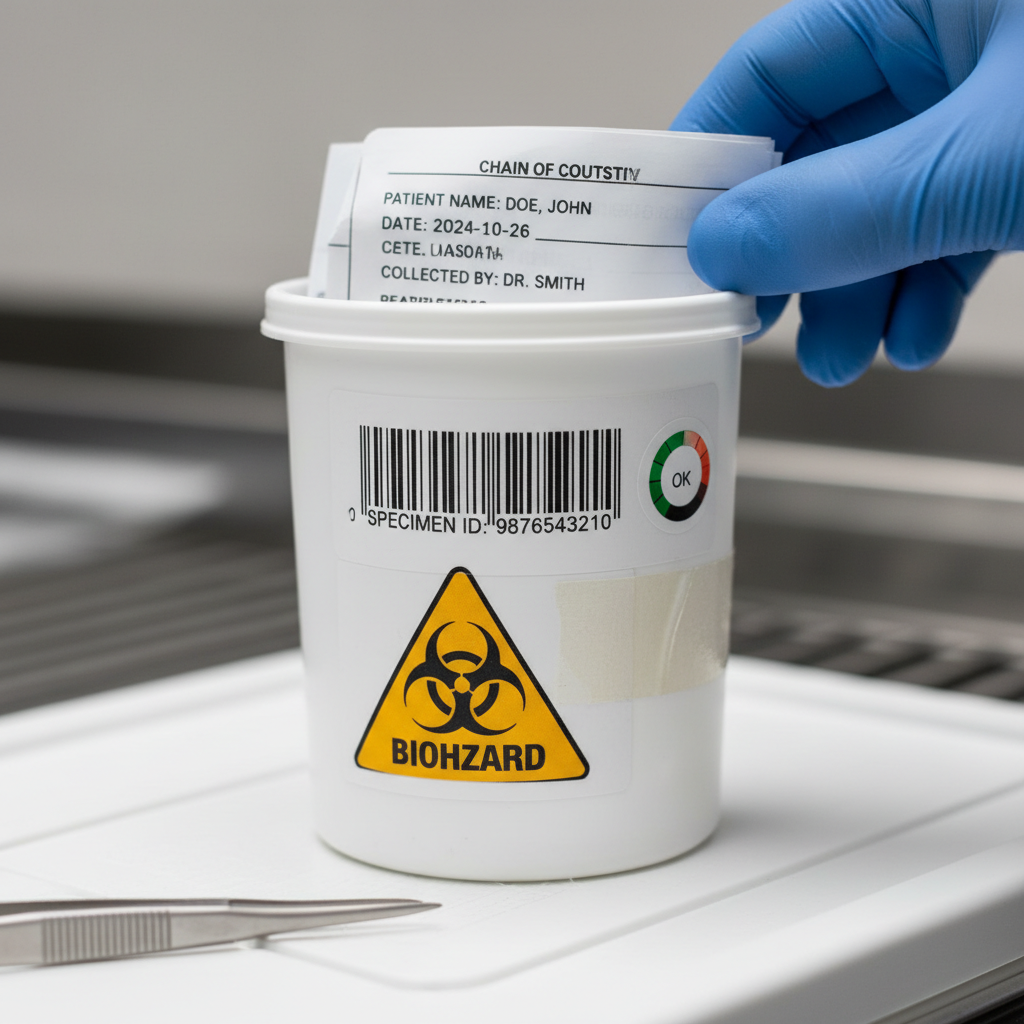
Knowing where to store your records is only the first half of the battle; understanding when you can legally dispose of them is what protects your Charlotte business during a long-term look-back. The FMCSA dictates specific retention periods based on the severity and type of the record. Keeping everything indefinitely creates unnecessary liability, while discarding records too early is a guaranteed way to fail a compliance review.
For effective DOT audit preparation, your filing system should follow these mandatory retention timelines:
Five Years: Records of verified positive drug test results, alcohol test results of 0.02 or higher, documentation of refusals to test, and all Substance Abuse Professional (SAP) reports. You must also keep your annual Management Information System (MIS) summary reports for this period.
Two Years: Records related to the random selection process, including the list of drivers in the pool and the specific selection lists generated each period. Negative drug test results and alcohol results below 0.02 must also be maintained for at least two years.
One Year: Records of canceled drug tests.
Policy Retention: Your written DOT drug and alcohol policy must be kept for the entire duration it is in effect, plus an additional five years after it has been replaced by an updated version.
Maintaining these timelines ensures that when you utilize professional specimen collection services, the resulting data remains an asset rather than a liability. If you are unsure if your current filing system meets these federal standards, you can contact TL Works to review your documentation protocols and ensure your archive is audit-ready.
Mastering the FMCSA Clearinghouse Query Records
While the retention periods for test results are long, the FMCSA Clearinghouse has its own set of rules that often trip up carriers during DOT audit preparation. You are required to maintain records of all queries conducted and the corresponding results for a minimum of three years. This digital paper trail proves you are actively monitoring your drivers for violations that occurred with previous employers or under other DOT agencies.
Auditors look closely at two distinct types of queries. A full pre-employment query is mandatory before a driver performs any safety-sensitive functions. This requires the driver to grant electronic consent directly within the Clearinghouse portal. Conversely, you must conduct a limited query at least once every 12 months for every CDL holder on your roster. Unlike the pre-employment version, consent for a limited query can be obtained via a written, signed statement kept in your files.
A common audit failure is lacking proof of this annual consent or running the pre-employment query after the driver has already started their first haul. If you are struggling to manage these deadlines alongside your regular specimen collection services, you can contact TL Works to ensure your query schedule remains compliant. Keeping these records organized demonstrates the high level of about our DOT compliance expertise necessary to pass a compliance review without citations.
Meeting Random Testing Rates for 2024 and Beyond
Maintaining accurate Clearinghouse records is the first step; however, the actual execution of your random testing program is what often determines your safety rating. The FMCSA establishes strict annual minimum random testing rates for CDL drivers. For 2024 and beyond, motor carriers must ensure they test at least 50 percent of their average number of driver positions for controlled substances and 10 percent for alcohol.
If you manage your own pool, you must document the selection process and demonstrate that every driver had an equal chance of being picked in each selection period. Most Charlotte carriers prefer using a Consortium or Third Party Administrator (C/TPA). In this scenario, your DOT audit preparation relies on obtaining a copy of the C/TPA’s annual statistical summary. Even if none of your specific drivers were selected during a calendar year, your business remains compliant as long as the total consortium pool met the federal percentages. When you partner with TL Works for specimen collection services, we help ensure your documentation aligns with these mandates. Proving you are part of a valid, active pool is a cornerstone of about our DOT compliance expertise. If you have questions about your current selection rates, you can contact TL Works for a consultation.
Supervisor Training Records: The Reasonable Suspicion Requirement
While meeting random rates proves your program's consistency, your internal safety protocols are judged by the competency of your leadership. A frequent point of failure in DOT audit preparation involves supervisor training records. FMCSA regulation 382.603 requires every person designated to supervise CDL drivers to undergo specific training to recognize the indicators of substance abuse. This is not a generalized safety meeting. It requires exactly 60 minutes of training on the physical, behavioral, and performance indicators of drug use and an additional 60 minutes on alcohol misuse.
Auditors prioritize these records because they are easily verifiable. An investigator will look for a certificate that specifies the supervisor’s name and the exact date of completion. If a supervisor initiates a reasonable suspicion test without this documented training, the carrier faces an immediate citation. For Charlotte firms, ensuring your management team is certified is as vital as the specimen collection services you utilize. You can contact TL Works for guidance on ensuring your leadership meets these standards, further solidifying your about our DOT compliance expertise.
Common Audit Red Flags and How to Avoid Them

Even with certified supervisors and active random pools, administrative oversights are what usually trigger the heaviest fines during a compliance review. A frequent red flag for auditors is the absence of a collector or donor signature on the Custody and Control Form (CCF). If a signature is missing or a date is incorrect, the validity of the entire test may be challenged. Another high-priority violation involves timing; dispatching a driver for their first haul before receiving a verified negative pre-employment result from the Medical Review Officer is a critical safety breach that investigators rarely overlook.
Auditors also look for gaps in mandatory FMCSA Clearinghouse queries. Every CDL holder on your roster must be queried at least once every 12 months. If a driver was hired in January but the annual query was not performed until the following March, you are technically out of compliance for those two months.
To mitigate these risks, Charlotte carriers should implement a quarterly mock audit. By randomly selecting ten percent of your driver files and reviewing them against the FMCSA checklist, you can identify missing documents before an investigator arrives. When you utilize professional specimen collection services, you ensure the initial paperwork is sound, but internal audits verify that the follow-through is equally robust. If you discover gaps during your internal review, you can contact TL Works to help resolve documentation errors and strengthen your about our DOT compliance expertise. Consistent self-correction is the most effective strategy for successful DOT audit preparation.