Workplace safety drug testing protects trucking and construction employers by reducing legal liability and ensuring full compliance with federal DOT regulations. These programs minimize the risk of costly accidents and insurance claims while maintaining a productive, hazard-free environment for employees in safety-sensitive roles.
Managing a fleet or a construction site in Charlotte involves balancing tight deadlines with the constant pressure of liability. One lapse in judgment from an impaired operator can lead to catastrophic accidents; these incidents often result in soaring insurance premiums and legal battles that threaten your business stability. Implementing a robust workplace safety drug testing program is not merely a box to check for compliance. It is a critical layer of defense that shields your company from the high costs of workplace injuries. In this guide, we explore the strategic importance of drug testing for CDL drivers and construction crews. You will learn how to navigate DOT mandates, the necessity of non-DOT testing for safety-sensitive roles, and the direct correlation between testing protocols and workers' compensation savings. We also outline the steps for building a compliant policy with a local Charlotte partner.
The Strategic Role of Drug Testing in High Risk Industries
In Charlotte, the margin for error in high-risk industries is virtually nonexistent. While a minor lapse in a standard office setting might lead to a missed deadline or a clerical error, the stakes are significantly higher for those navigating a 40-ton tractor-trailer through the heavy traffic on I-77 and I-85. Similarly, as rapid construction growth transforms neighborhoods like South End and NoDa, the proximity of heavy machinery to dense urban populations demands a higher standard of vigilance. Implementing workplace safety drug testing serves as a proactive shield, shifting the focus from reactive discipline to the prevention of catastrophic incidents.
A well-executed program is not designed simply to catch employees in violation of a policy; rather, it is a foundational element of a safety culture that protects the public, the workers, and the employer’s bottom line. By utilizing professional specimen collection services, local businesses can ensure the integrity of their safety protocols. Navigating the nuances of DOT vs non-DOT drug testing is the first step in building this defense. To start securing your job sites and fleets, contact TL Works to discuss a tailored compliance solution for your Charlotte-based operation.
Reducing Impairment Risks for CDL Drivers and Construction Crews

Deterrence is the most powerful aspect of a robust testing program. When employees know that testing is a standard, consistent part of their employment, the likelihood of substance use decreases significantly. Data from the industry underscores this reality. In the general workforce, drug use rates sit around 4.1 percent. However, in safety-sensitive industries where regular testing is a staple, that number drops to 1.7 percent. This measurable gap demonstrates that workplace safety drug testing changes behavior and discourages use before an individual ever steps onto a job site or into a cab.
The consequences of impairment in these sectors are rarely minor. A CDL driver operating a 40 ton vehicle at highway speeds requires total cognitive clarity to respond to sudden traffic shifts or equipment failures. On a Charlotte construction site, a crane operator or a worker on high-rise scaffolding must maintain perfect balance and spatial awareness. Even slight impairment from controlled substances or alcohol can lead to catastrophic failures that endanger the entire crew and the public. These are not just mechanical errors; they are preventable tragedies that impact families and communities.
Ultimately, reducing impairment risks focuses on the human element. The primary objective for any Charlotte employer is ensuring that every worker gets home safely at the end of their shift. By utilizing professional specimen collection services, companies move from a reactive posture to a preventive one. A clear policy serves as the foundation for this safety culture, distinguishing the specific needs of DOT vs non-DOT drug testing to ensure every role is properly monitored. If you are ready to strengthen your team’s safety protocols, you can contact TL Works to establish a reliable testing schedule.
Understanding the DOT Mandate for Charlotte Trucking Companies

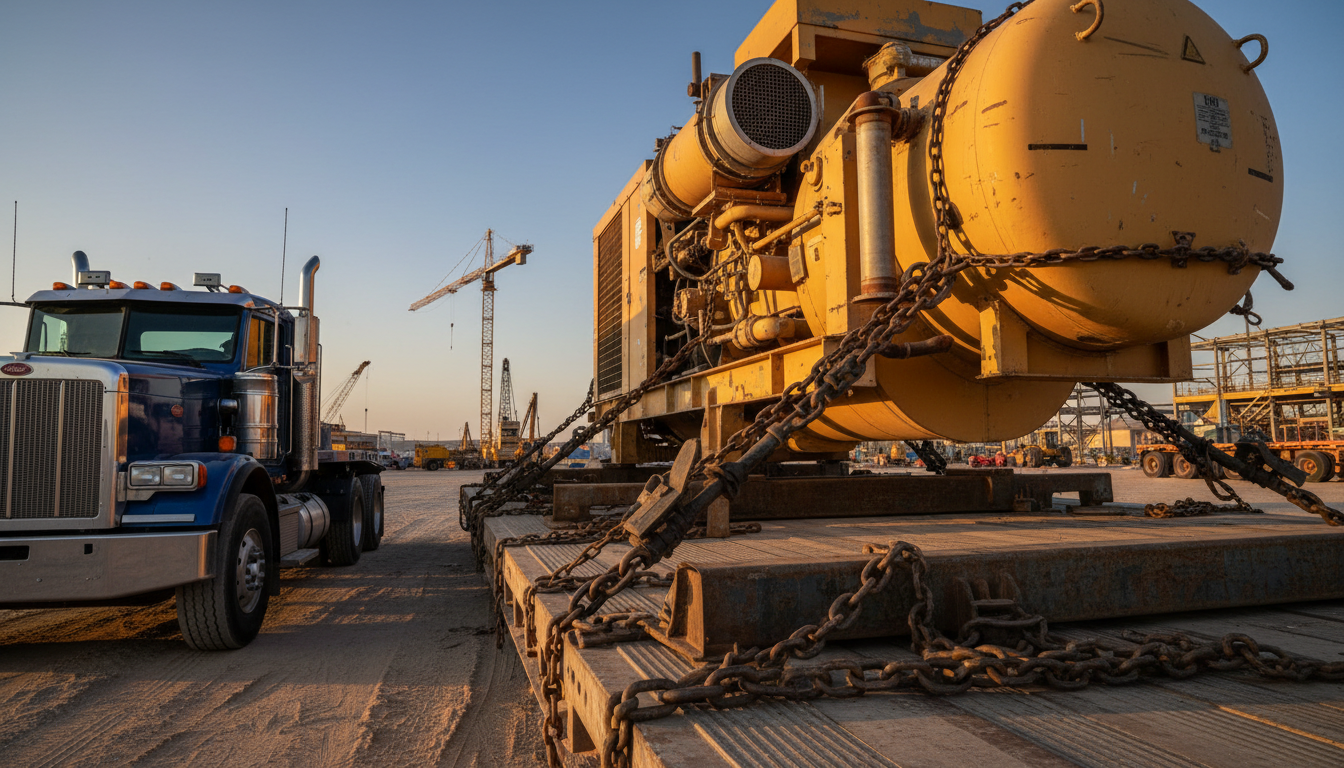
For trucking companies operating in North Carolina, compliance with Department of Transportation (DOT) regulations is not a suggestion; it is a federal mandate. The Federal Motor Carrier Safety Administration (FMCSA) requires a rigorous workplace safety drug testing program for all drivers holding a Commercial Driver’s License (CDL) who operate vehicles over certain weight thresholds or transport hazardous materials. This regulatory framework is designed to eliminate ambiguity, ensuring that every carrier follows a standardized protocol to maintain road safety.
The mandate outlines six specific scenarios where testing must occur:
Pre-employment: Conducted before a driver performs any safety-sensitive functions for the first time.
Random: Unannounced testing throughout the year to serve as a consistent deterrent.
Post-accident: Triggered by specific criteria, such as a fatality or a citation issued after a vehicle is towed from the scene.
Reasonable suspicion: Performed when a trained supervisor observes physical or behavioral signs of impairment.
Return-to-duty: Required after a driver has successfully completed the substance abuse professional (SAP) process following a violation.
Follow-up: A series of unannounced tests conducted after a driver returns to work to ensure continued compliance.
Understanding the distinction between DOT vs non-DOT drug testing is critical for local fleet managers. While non-DOT programs allow for more flexibility in substance panels and testing methods, DOT testing must strictly follow 40 CFR Part 40 procedures. Failure to maintain audit-ready records can lead to significant federal penalties and the potential grounding of your entire fleet. Professional specimen collection services ensure that every step, from the chain of custody to the final report, meets these stringent federal standards. To ensure your business remains compliant and avoids the pitfalls of FMCSA audits, you can contact TL Works to review your current testing protocols.
Why Construction Employers Need Non-DOT Safety Sensitive Testing
While federal mandates strictly govern the trucking industry, a significant regulatory gap often exists in construction. Many construction roles do not fall under Department of Transportation jurisdiction, yet these workers routinely operate heavy machinery, manage complex rigging, and work at extreme heights. Relying solely on federal requirements leaves a Charlotte job site vulnerable. A private workplace safety drug testing program fills this gap, providing a layer of protection that federal law might not explicitly require for every laborer.
The foundation of an effective program is a clear definition of safety sensitive positions. In a non-DOT context, employers have the authority to designate roles where impairment could result in immediate, significant risk to the individual, their coworkers, or the public. This includes crane operators, electricians, and those operating excavators on busy urban sites. By identifying these roles, a company can implement targeted testing protocols that mirror the rigors of DOT standards without being bound by their specific administrative constraints.
Proactive testing directly impacts a firm's liability profile. Workplace injuries in construction are often severe and costly. By utilizing professional specimen collection services, employers can mitigate the risk of accidents caused by substance use, which in turn protects the business from negligence claims. Understanding the differences in DOT vs non-DOT drug testing allows a construction firm to build a policy that fits its specific operational needs. Given the rapid pace of development in Charlotte, the risks inherent to local job sites demand a safety standard that exceeds the bare minimum. To secure your crews and equipment, contact TL Works to establish a customized testing framework.
The Link Between Drug Testing and Workers Compensation Insurance
Beyond the immediate physical safety of a job site, a rigorous testing program serves as a critical financial safeguard. Implementing workplace safety drug testing often qualifies Charlotte businesses for premium credits or discounts from workers' compensation carriers. In North Carolina, a formal policy provides a stronger legal defense during disputes. If an accident occurs, a positive test result can be used to rebut a workers' compensation claim, potentially shifting the liability if impairment is proven to be a contributing factor to the incident.
Addressing the common inquiry "Does OSHA drug test?" requires understanding their regulatory role. OSHA does not perform testing itself; rather, they monitor employer policies to ensure testing is not used to retaliate against workers for reporting injuries. To remain compliant with federal guidelines, post-accident testing must be applied consistently and only in instances where drug use could have reasonably contributed to the event. Using professional specimen collection services helps ensure these tests are administered objectively and within legal bounds.
Proper documentation in these high pressure moments is vital for maintaining your insurance standing. Understanding the nuances of DOT vs non-DOT drug testing ensures that your financial protections remain intact during an audit or a claim review. If you are looking to lower your company's risk profile, you can contact TL Works to integrate insurance-compliant testing into your broader safety plan.
Developing a Compliant Workplace Drug Testing Policy
Creating a defensible policy is the backbone of any workplace safety drug testing initiative. In North Carolina, a vague verbal agreement is insufficient; a written, legally reviewed document is necessary to protect the business and its employees. Business owners should begin by defining the scope of the program. This includes identifying exactly which positions are covered, specifically distinguishing between those in safety sensitive roles and general administrative staff. The policy must also detail which substances are being tested, the specimen types required, and the exact consequences for a positive result or a refusal to test.
To build a robust framework, follow these three practical steps:
Establish objective criteria for testing events: Document when testing occurs, such as during random draws or immediately following a safety incident, to ensure every employee is treated consistently.
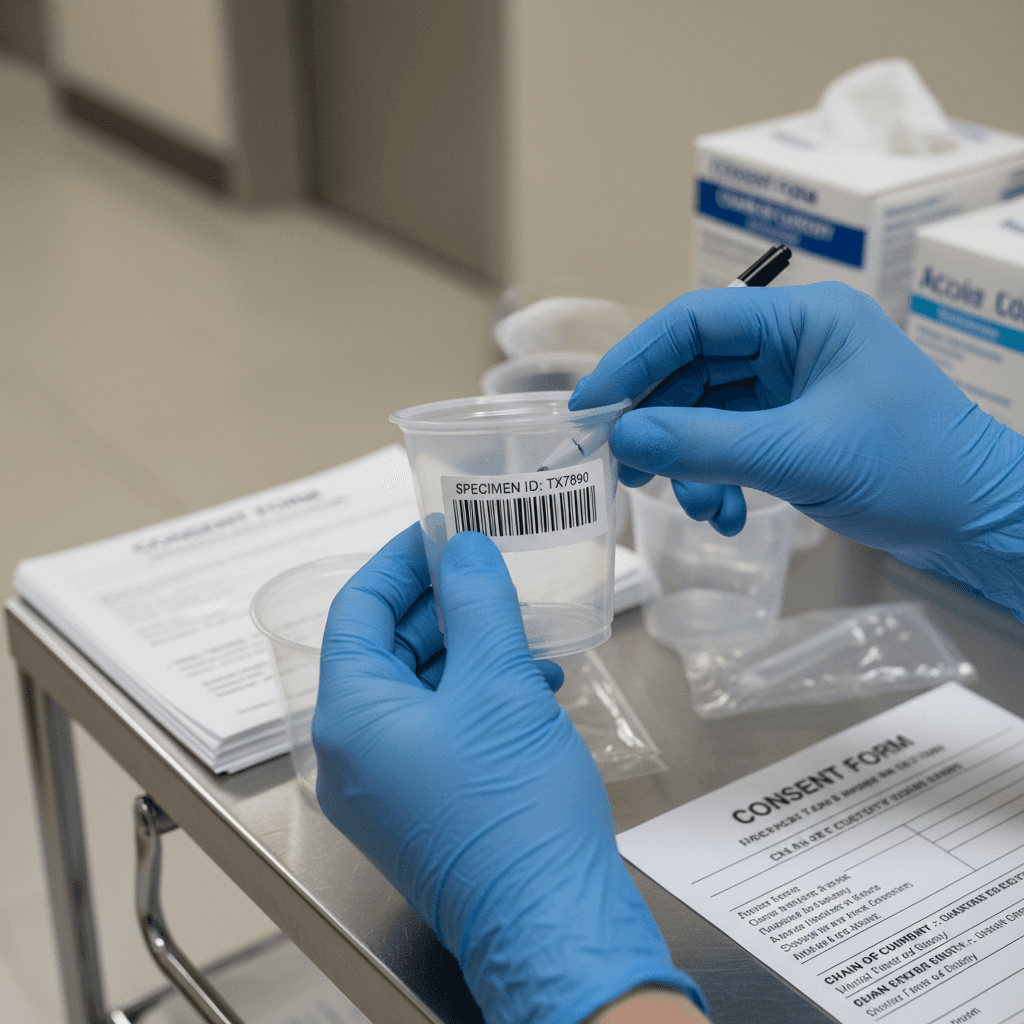
Formalize documentation procedures: Maintain clear records of testing decisions and the chain of custody. This documentation is vital during audits or when defending against liability claims.
Prioritize communication and training: Distribute the written policy to all staff so expectations are transparent. Crucially, invest in supervisor training to identify reasonable suspicion. Training ensures that observations are based on physical or behavioral indicators rather than personal bias or guesswork.
Consistency is key to avoiding discrimination claims. By utilizing professional specimen collection services, employers can ensure that the collection process remains neutral and standardized. Understanding the regulatory differences between DOT vs non-DOT drug testing will further help in tailoring these steps to your specific industry requirements. For assistance in refining your internal safety protocols, contact TL Works to review best practices for Charlotte operations.
Partnering with a Local Specimen Collector in Charlotte

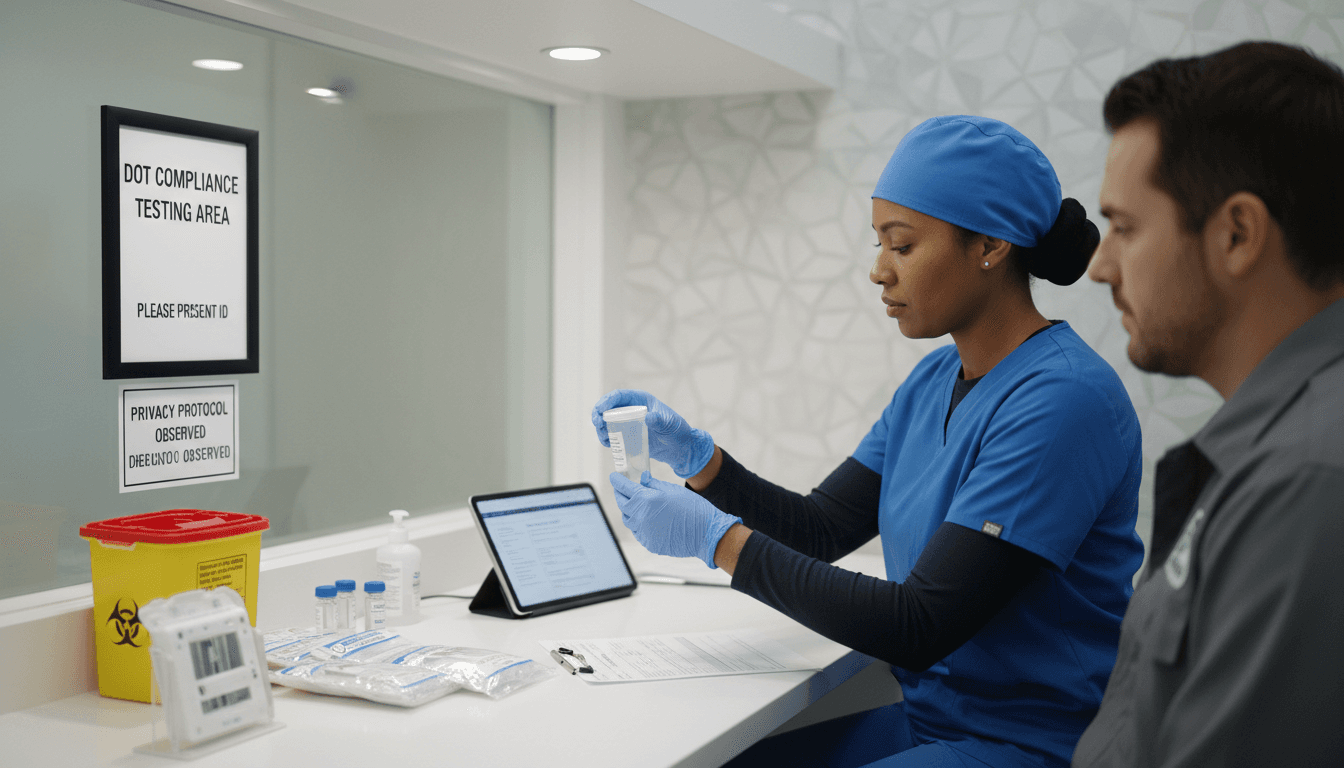
Establishing a policy is the blueprint; the physical collection is the foundation. Partnering with a specialized provider for specimen collection services ensures that every test maintains a pristine chain of custody, which is the primary defense against legal challenges. For firms operating in the Charlotte metro area, logistics are a major factor in program success. High-traffic areas and tight construction schedules mean that every hour an employee spends traveling to a distant clinic is an hour of lost revenue. Local proximity reduces this downtime, allowing for faster turnaround and less disruption to the workday.
Local expertise further ensures that your program remains compliant with both North Carolina state regulations and federal FMCSA standards. This dual layer of compliance is critical when distinguishing between DOT vs non-DOT drug testing. A dedicated local partner helps manage the complex logistics of random testing pools and urgent post-accident needs, ensuring that your workplace safety drug testing program is executed with precision. To integrate professional collection into your safety culture, contact TL Works to discuss your specific requirements.
Prioritizing workplace safety through consistent drug testing is a vital step for any trucking or construction company in Charlotte. These protocols protect your employees, reduce liability, and ensure your operations remain compliant with federal standards. If you want expert help navigating these complex requirements, we are available to guide you through every step. You can learn more about our approach to see how TL Works helps local businesses maintain a secure and productive environment for everyone on the team.