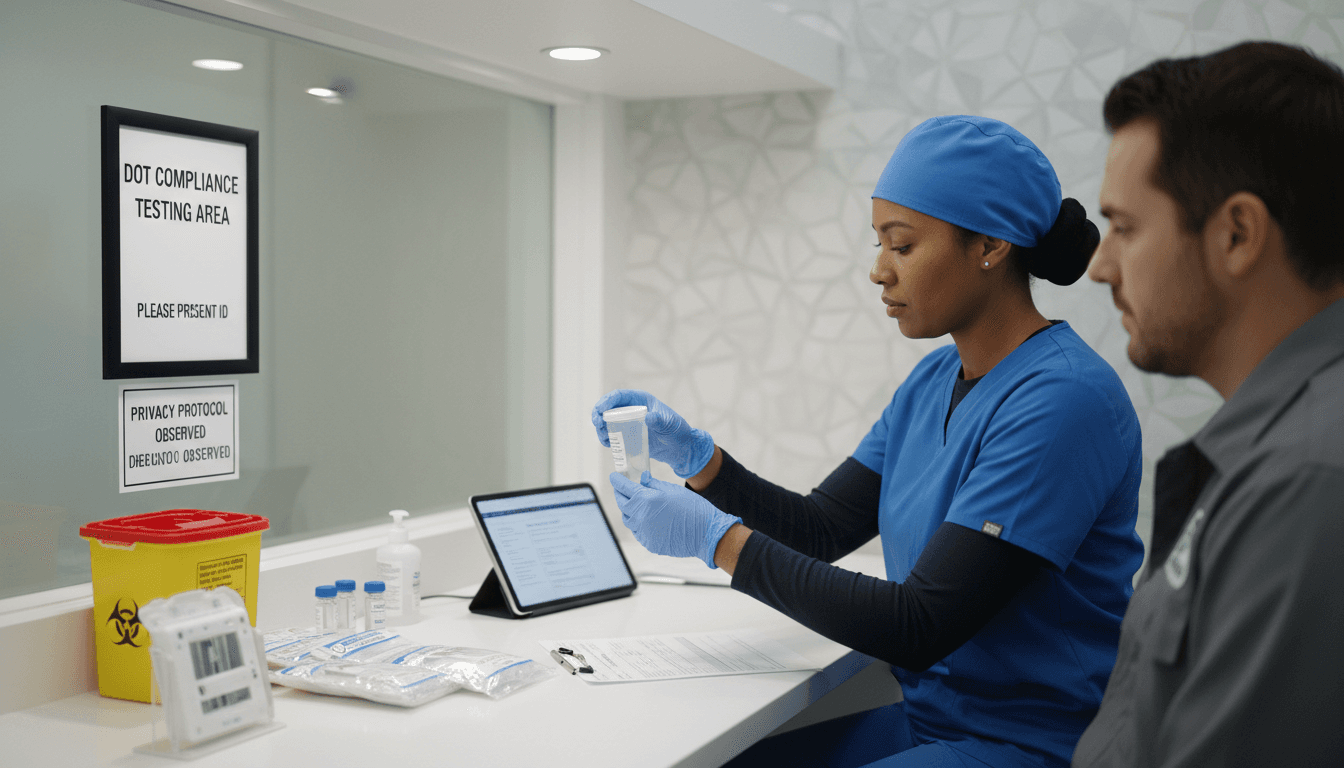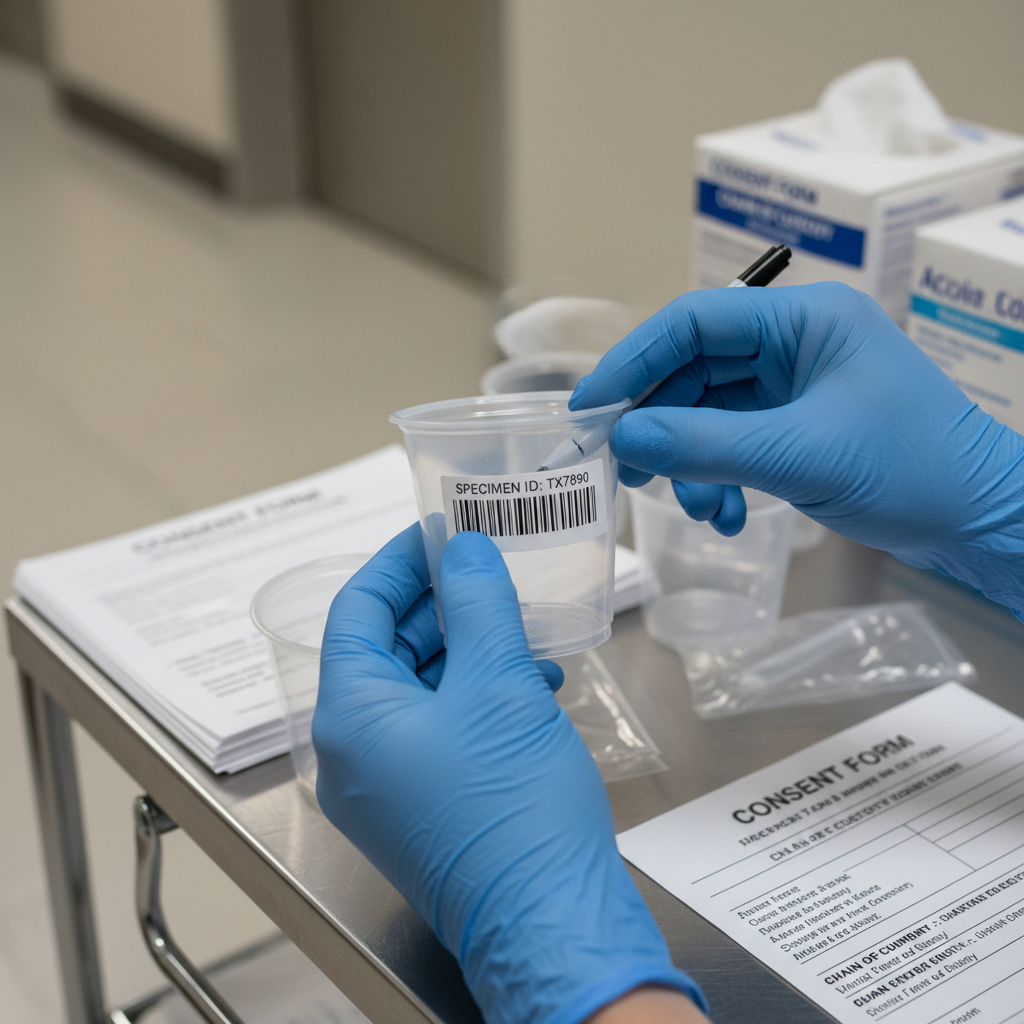
FMCSA Clearinghouse reporting requirements mandate that employers record all drug and alcohol violations, including test refusals and return-to-duty completions, within 24 hours. Companies must also perform pre-employment queries for prospective hires and annual queries for all current CDL drivers to maintain regulatory compliance. Following these strict reporting windows and query protocols is essential to avoid significant penalties and ensure driver eligibility under 2026 standards.
Managing a fleet in 2026 requires more than just keeping trucks on the road; it demands rigorous oversight of the FMCSA Clearinghouse to avoid costly operational disruptions. For many employers, the complexity of reporting windows and the looming threat of CDL downgrades create a constant state of regulatory anxiety. Missing a single reporting deadline or failing to conduct a mandatory query can trigger immediate penalties and sideline your best drivers. This guide provides a practical roadmap for navigating the 2026 reporting cycle. We will detail exactly what must be reported, the critical role of Medical Review Officers, and how the Clearinghouse II initiatives impact driver eligibility. You will also learn about specific recordkeeping standards for North Carolina businesses to ensure your fleet remains audit ready and fully compliant throughout the year.
Understanding the FMCSA Clearinghouse Reporting Window for 2026
Compliance in 2026 requires a precise understanding of the updated FMCSA Clearinghouse reporting requirements. The most significant shift involves the reporting timeline. While previous guidance allowed employers until the close of the third business day to report violations, the FMCSA now enforces a strict 24 hour maximum reporting window for specific incidents. This change aims to close the safety gap that allowed prohibited drivers to remain on the road during the multi-day lag in data entry.
It is vital to distinguish between reporting roles. Employers are responsible for reporting alcohol confirmation results of 0.04 or higher, test refusals that the Medical Review Officer (MRO) does not handle, and actual knowledge violations. Conversely, the MRO is responsible for reporting verified positive drug tests. Relying on professional specimen collection services ensures that the initial data capture is accurate, but the employer remains accountable for the speed of submission.
Failure to meet this 24 hour deadline has become a primary trigger for FMCSA audits. Regulatory bodies now use data timestamps to flag companies for intervention. Late reporting is no longer viewed as a clerical error; it is treated as a serious compliance breach that leads to increased fines and heightened scrutiny during a DOT inspection. For businesses in the Charlotte area, staying within this window is the first step in avoiding the costly penalties associated with non-compliance.
What Employers Must Report to the Clearinghouse

To avoid the audits and fines mentioned previously, Charlotte business owners must recognize which violations fall strictly under their jurisdiction. Unlike verified positive drug tests, which are the MRO’s duty, the following incidents require employer-led reporting.
The employer carries the burden of reporting three specific categories of violations directly to the Clearinghouse. First, any alcohol confirmation test result showing a concentration of 0.04 or greater must be reported. Because alcohol testing often happens at the clinic or on-site without MRO oversight, the responsibility for timely data entry rests entirely with the motor carrier.
Second, employers must report test refusals that are not handled by the MRO. This includes a driver’s failure to appear for a test, leaving the testing site before the process begins, or failing to remain at the site until the testing process is complete. These behavioral refusals often occur during pre-employment drug test requirements or post-accident scenarios where the driver may attempt to evade the technician.
The third category, Actual Knowledge, is the most legally sensitive area of FMCSA Clearinghouse reporting requirements. Actual knowledge occurs when an employer has direct evidence of a driver’s drug or alcohol use while performing safety-sensitive functions. To protect the company from legal pushback and ensure DOT audit preparation is airtight, these reports must be backed by specific documentation:
Direct Observation: A written record of the observation, signed by a supervisor or witness, detailing the date, time, and specific location of the use.
Traffic Citations: A copy of the official citation for driving a commercial motor vehicle (CMV) under the influence of drugs or alcohol.
Employer Admissions: Documentation of a driver admitting to prohibited drug or alcohol use.
Without this documentation, a driver can successfully challenge the report, potentially exposing the business to litigation for defamation. While using professional specimen collection services ensures that the testing process is handled by experts, the management of behavioral documentation remains a critical employer responsibility.
The Role of MROs and SAPs in the 2026 Reporting Cycle
Distinguishing between your duties and those of a Medical Review Officer (MRO) is vital for accurate data entry. Under current FMCSA Clearinghouse reporting requirements, employers are not responsible for uploading verified positive drug test results. That specific obligation rests with the MRO. However, 2026 enforcement places the burden of oversight on the carrier. You must verify that the MRO has submitted the positive result within the mandatory 24 hour window. If a gap exists, it is your responsibility to follow up with the MRO or your professional specimen collection services provider to ensure the driver’s status is updated to prohibited immediately.
Once a violation is recorded, a driver enters a prohibited status and cannot perform safety sensitive functions. The path back to the road involves a Substance Abuse Professional (SAP). The SAP holds a distinct reporting role; they must enter the date the initial assessment was completed and the date the driver became eligible for return to duty (RTD) testing.
The transition from prohibited to not prohibited status is a multi-step verification process:
The SAP reports the completion of the education or treatment plan.
The employer orders an RTD test through their collection provider.
The employer reports the negative RTD test result to the Clearinghouse.
Failing to track these milestones accurately is a common pitfall in DOT audit preparation. A driver only moves to not prohibited status after the negative RTD result is logged, though they remain in the Clearinghouse for five years or until the follow up testing plan is fully executed. Managing this lifecycle ensures your Charlotte fleet stays compliant while maintaining necessary safety standards.
Annual and Pre-Employment Query Requirements for 2026

Managing the driver lifecycle requires strict adherence to query protocols. Two mandatory checks dictate whether a driver is legally permitted to operate a commercial motor vehicle under the current regulatory framework.
The first is the Full Query, which is a non-negotiable part of pre-employment drug test requirements. You must conduct this check before any safety sensitive function is performed. Unlike a simple background check, a Full Query requires the driver to log into their own Clearinghouse portal and provide electronic consent. Without this specific digital authorization, the FMCSA prohibits you from accessing their records or putting them behind the wheel.
The second requirement is the annual query. A frequent mistake for motor carriers in Charlotte is treating this as a calendar year task. Many fleets query their entire roster every January; however, this leaves a massive compliance gap for mid-year hires. If you hire a driver in July, an annual query is due for that individual by the following July. Failing to track this rolling 12 month window is a leading cause of failed inspections during a compliance review.
Query Type | Information Provided | Consent Method |
|---|---|---|
Limited Query | Indicates if information exists in the Clearinghouse. | Written consent (kept in driver qualification file). |
Full Query | Provides detailed violation and Return to Duty status. | Electronic consent (provided by driver in Clearinghouse portal). |
If a Limited Query returns a hit, you have 24 hours to conduct a Full Query. Keeping organized digital records of these dates is essential for DOT audit preparation. Partnering with professional specimen collection services helps streamline the testing side, but the query log remains a primary focus for FMCSA inspectors checking your FMCSA Clearinghouse reporting requirements.
Clearinghouse II and the Impact of CDL Downgrades
The Clearinghouse II rule, which reached full implementation in late 2024, fundamentally changes the stakes for 2026 fleet management. Before this mandate, a driver in a prohibited status was simply barred from performing safety sensitive functions while technically retaining their physical license. Now, State Driver Licensing Agencies (SDLAs), such as the North Carolina DMV, are required to query the database and take direct action. If a driver is flagged as prohibited, the SDLA must initiate a CDL downgrade, effectively stripping the individual of their commercial driving privileges entirely.
This shift transforms a regulatory violation into an immediate licensing crisis. When you report a refusal or an alcohol violation under the updated FMCSA Clearinghouse reporting requirements, you are essentially triggering the revocation of that driver’s professional credentials. This adds a heavy layer of urgency to your data entry and verification processes. If a driver continues to operate with an invalidated license because of a reporting lag or a failure to check their status, the carrier faces massive legal exposure and insurance liability.
Charlotte operators must integrate this reality into their DOT audit preparation protocols. It is no longer enough to check a driver's status during pre-employment drug test requirements and assume the license remains valid until the next annual query. Because the SDLA actively monitors this data, any delay in reporting or failure to act on a prohibited status puts the entire company at risk. Utilizing professional specimen collection services ensures that the testing data is accurate from the start, allowing you to manage these high stakes reporting windows with professional confidence.
Recordkeeping Standards and Audit Preparation in North Carolina

North Carolina motor carriers must maintain rigorous documentation to survive a DOT intervention. Per 49 CFR 382.719, employers are required to retain all records of queries and reports for a minimum of three years from the date of the event. This includes records of every full and limited query performed, specific driver consents, and violation reports. While professional specimen collection services handle the technical side of testing, the administrative burden of proof sits entirely with the employer.
To prepare for a surprise audit, Charlotte business owners should maintain a digital "ready file" organized by driver and year. This structure streamlines DOT audit preparation and ensures you can produce records instantly during an inspection. Use the following checklist to audit your internal files:
Document Category | Audit Requirement |
|---|---|
Limited Query Consents | Signed written forms for each driver, renewed annually. |
Full Query Records | Verification of electronic consent and the detailed result. |
C/TPA Designation | Proof of your current Consortium/Third-Party Administrator agreement. |
Reporting Timestamps | Evidence that violations were reported within the 24 hour window. |
Ensuring these documents are accessible within minutes prevents a routine check from escalating into a deeper investigation of your FMCSA Clearinghouse reporting requirements.
Penalties for Non-Compliance in 2026
Ignoring FMCSA Clearinghouse reporting requirements is a gamble that carries devastating financial consequences in 2026. The FMCSA has shifted away from simple warnings; they now use automated data flags to identify missing queries and late reports. Failing to conduct an annual query on just one driver can result in a fine of up to $2,500. If your internal documentation fails to show you reported a violation, such as an alcohol test result of 0.04 or higher, the penalty jumps to $6,000 per incident.
The most severe penalties target carriers that bypass safety protocols entirely. Hiring a driver who is in a prohibited status can cost $7,500 per occurrence, while falsifying records to bypass pre-employment drug test requirements triggers criminal penalties and fines exceeding $15,000. These figures highlight why Charlotte motor carriers rely on professional specimen collection services to manage the technical aspects of compliance. Investing in a robust system for DOT audit preparation is far more cost effective than the legal and financial fallout of a single reporting oversight.