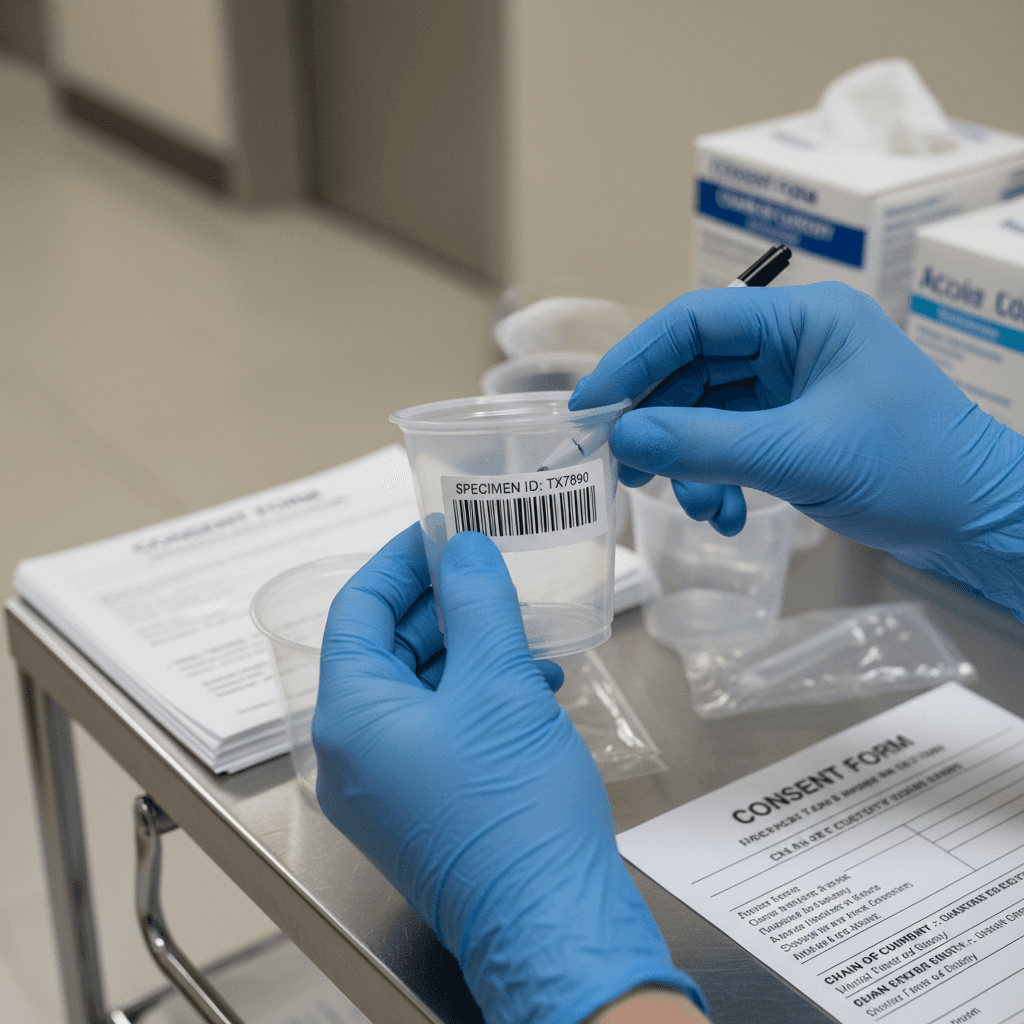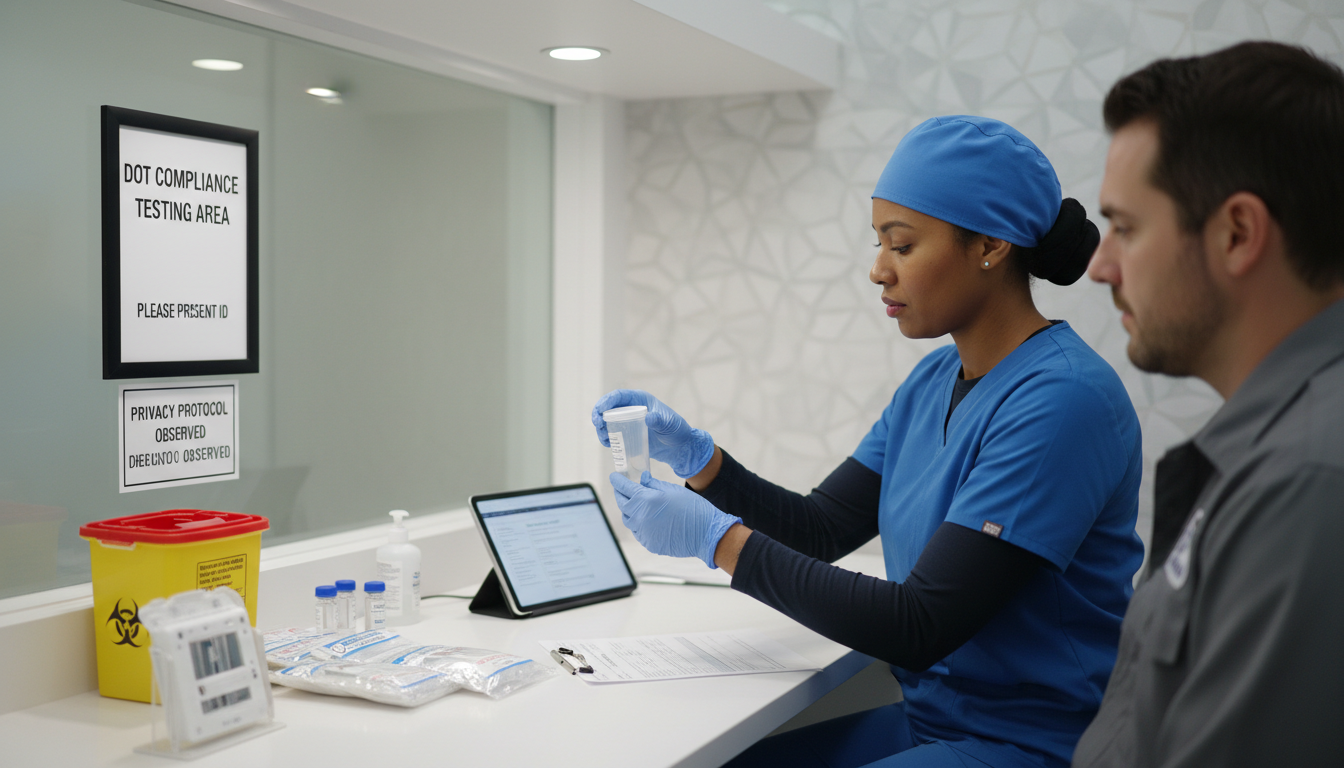
The DOT return to duty process requires employees who violate drug or alcohol regulations to complete a mandatory evaluation by a Substance Abuse Professional, finish prescribed treatment, and pass a directly observed drug test. Following their return, employees must undergo at least six unannounced follow-up tests within the first twelve months; this testing schedule can continue for up to five years and follows the individual even if they change employers.
When a safety sensitive employee triggers a DOT violation, the resulting scramble to remain compliant often feels like navigating a legal minefield. For employers, a single documentation error or missed deadline during the Return to Duty (RTD) process can result in costly penalties, increased liability, and permanent damage to your safety ratings. Understanding the strict sequence of events is vital for keeping your fleet operational and your liability low. In this guide, we break down the complexities of the RTD protocol to provide a clear, expert roadmap for your business. We will examine the essential role of the Substance Abuse Professional (SAP), the non-negotiable requirements for observed testing, and the logistical challenges of managing a long term follow up plan. From FMCSA Clearinghouse reporting to handling driver departures, this guide ensures your team possesses the practical knowledge required to maintain total DOT compliance.
Understanding the DOT Return to Duty Process for Safety Sensitive Employees

The DOT return to duty process begins the moment a safety sensitive employee violates federal drug and alcohol regulations. Common triggers include a verified positive drug test, a refusal to provide a sample for testing, or an alcohol concentration of 0.04 or higher. For Charlotte trucking companies and construction firms, these violations represent a significant regulatory event that requires immediate action to protect the public and the business.
Per 49 CFR Part 40, once a violation is recorded in the FMCSA Clearinghouse, the driver is legally prohibited from performing any safety sensitive functions. The employer’s primary obligation is to remove the driver from duty immediately. This is not optional; keeping a driver behind the wheel after a violation exposes the company to severe liability and failed FMCSA compliance reviews.
Upon removal, the employer must provide the employee with a list of qualified Substance Abuse Professionals (SAPs). This list should include names, addresses, and telephone numbers of SAPs available in the Charlotte-Mecklenburg area or through national networks. Providing this information is mandatory regardless of whether the company intends to terminate the driver or offer them a path back to work. Accurate specimen collection services and prompt reporting are the only ways to manage this transition safely. If you have questions about the initial steps following a violation, you can Contact TL Works for guidance on maintaining a compliant workplace.
The Role of the Substance Abuse Professional and Initial Evaluation
The Substance Abuse Professional (SAP) functions as the gatekeeper of the DOT return to duty process. Their primary role is to protect public safety by ensuring a driver is clinically stable and properly educated before returning to safety sensitive functions. Once the driver meets with the SAP for an initial evaluation, the professional determines the specific course of action. This is a critical distinction for fleet managers; the employer does not dictate the treatment or education plan. The SAP alone determines whether the driver requires a simple education program or an intensive outpatient treatment regimen based on their clinical assessment.
For a driver to progress, they must successfully complete the SAP’s prescribed plan. This process can take weeks or even months. While federal law mandates the process for the driver, it does not mandate continued employment. Charlotte trucking and construction firms maintain the right to terminate an employee following a violation according to their own established company policies. However, if you intend to bring the driver back, you must ensure the SAP records the initial evaluation and the subsequent compliance status in the FMCSA Clearinghouse. Failing to track these milestones accurately can lead to significant complications during FMCSA compliance reviews. The driver remains in a prohibited status until the SAP confirms they have met all requirements, a safeguard that ensures only those who have demonstrated rehabilitation return to North Carolina roads.
Requirements for the DOT Return to Duty Drug Test: Why Observation is Mandatory

Once the Substance Abuse Professional (SAP) determines that a driver has successfully complied with their prescribed education or treatment plan, they will issue a formal report to the employer. This report serves as the official prerequisite for the next phase of the DOT return to duty process: the return-to-duty (RTD) test. An employer must never schedule this test until they have the SAP’s written confirmation of compliance in hand. Ordering a test prematurely can invalidate the results and cause significant delays in the driver’s ability to return to the road.
The most critical technical requirement of the RTD test is that it must be conducted under direct observation. Per 49 CFR Part 40.67, a collector of the same gender must witness the specimen being provided to ensure the integrity of the sample. This is a non-negotiable federal mandate intended to prevent the use of synthetic urine or prosthetic devices. For Charlotte fleet managers, ensuring your provider for specimen collection services is experienced in these specific protocols is vital; an unobserved RTD test is an regulatory error that will likely be flagged during FMCSA compliance reviews.
It is also important to differentiate the RTD test from a standard pre-employment test. While the laboratory procedures are the same, the 'reason for test' box on the Federal Drug Testing Custody and Control Form (CCF) must be marked specifically as 'Return to Duty.' If you are hiring a new driver who has completed their SAP requirements but has not yet taken an RTD test, a single negative result can satisfy both the return-to-duty and pre-employment requirements. In this scenario, the test must still be directly observed to be valid. If you are unsure how to document this dual-purpose collection, you can Contact TL Works for expert clarification.
Managing the Follow Up Testing Plan: The Minimum Six Tests Rule
The completion of a negative RTD test marks the driver’s return to safety sensitive duties, but it does not conclude the oversight period. Instead, it initiates the follow up testing plan. A follow up testing plan is a structured, mandatory schedule of drug or alcohol tests prescribed by the SAP to monitor a driver’s continued sobriety and ensure the long-term success of the DOT return to duty process. For employers, managing this plan requires precision to avoid regulatory failures during FMCSA compliance reviews.
Federal regulations mandate a minimum of six unannounced tests during the first 12 months following the driver's return to duty. However, the SAP has the clinical authority to extend this frequency and the overall duration of the plan for up to five years. These tests are specific to the individual driver and are conducted in addition to, not in place of, the employee's participation in the company’s regular random testing pool. If a driver is selected for a random test while also scheduled for a follow up test, both must be completed separately.
Requirement | DOT Minimum | SAP Maximum |
|---|---|---|
Test Frequency (Year 1) | 6 unannounced tests | As determined by SAP |
Total Plan Duration | 12 months | 60 months (5 years) |
Collection Method | Direct Observation | Direct Observation |
Testing Pool | Separate from Randoms | Separate from Randoms |
To maintain compliance, scheduling must ensure the tests are genuinely unannounced. Practical management for Charlotte construction and trucking firms involves avoiding predictable patterns. Testing on the same day of the month or always at the start of a shift creates a telegraphed schedule that undermines the program's integrity. Employers should use a variable calendar that accounts for different days of the week and varied times.
Consistency in specimen collection services is paramount because every follow up test must be conducted under direct observation. Failure to follow the SAP’s specific plan or missing a scheduled window can be classified as a refusal to test, which triggers a new violation in the Clearinghouse. If you need assistance interpreting an SAP’s testing schedule or coordinating these collections, you can Contact TL Works for expert administrative support.
Employer Reporting Obligations to the FMCSA Clearinghouse
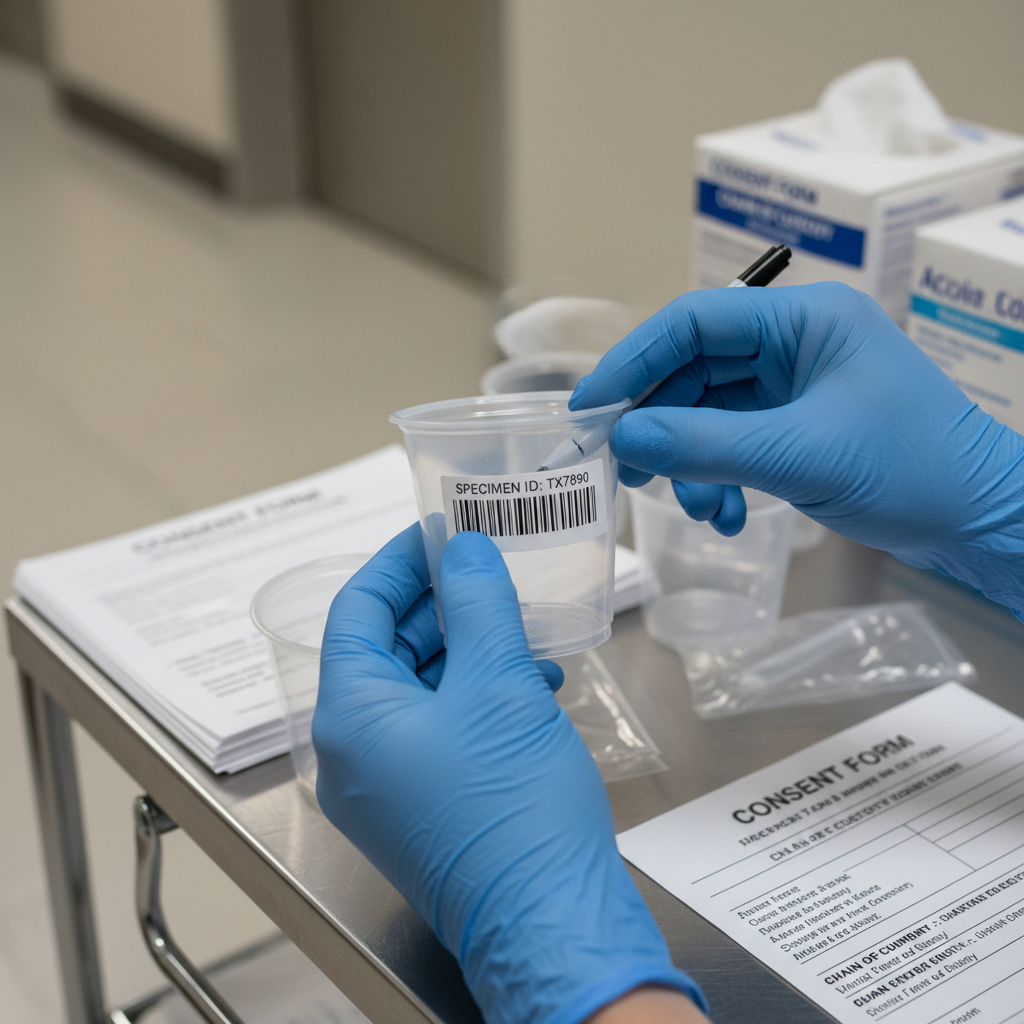
Managing the DOT return to duty process requires active data management within the FMCSA Clearinghouse. Once a driver completes their treatment and you receive a negative result from the observed return to duty test, the employer or their Consortium/Third-Party Administrator (C/TPA) must report that negative result to the Clearinghouse by the end of the third business day. This specific report is the trigger that moves a driver from a prohibited status to a not prohibited status, legally allowing them to resume safety sensitive functions.
However, being not prohibited does not mean the regulatory oversight has ended. The driver’s Clearinghouse record will still indicate that they are subject to a follow up testing plan. To fully clear a driver’s record, the employer must perform the final reporting step: documenting the successful completion of the entire follow up testing schedule. This is a common point of failure for many firms. A driver remains in this probationary status until the employer logs into the Clearinghouse and confirms that every test required by the SAP has been completed.
Failing to file this final completion report can lead to significant discrepancies during FMCSA compliance reviews. For Charlotte businesses, maintaining accurate records of these electronic filings is as important as the specimen collection services themselves. If you are navigating the Clearinghouse for the first time or need to verify a driver's current standing, you can Contact TL Works for expert administrative guidance.
Handling Employee Transitions: What Happens When a Driver Leaves Your Company?
A common point of confusion for Charlotte HR managers occurs when a driver currently enrolled in a follow up plan leaves the company. It is a fundamental rule of the DOT return to duty process that the testing plan follows the driver, not the employer. If a driver quits before completing their mandated tests, your responsibility as the former employer ends at the moment of termination; however, you must maintain all records of the tests completed under your watch to provide to the next employer upon a valid records request.
For a company hiring a driver who has a "not prohibited" status in the Clearinghouse but is still subject to follow up testing, the compliance burden shifts immediately. You must obtain the specific testing plan from the previous employer or the SAP directly. There is no grace period for this transition. The new employer must resume the unannounced testing schedule exactly where the previous one left off to ensure there are no gaps in oversight. This requires proactive communication during the onboarding process to determine how many of the minimum six tests have already been administered.
Failing to verify a new hire’s follow up status or neglecting to continue a transferred plan are frequent findings during FMCSA compliance reviews. To protect your business, ensure your specimen collection services provider understands how to document these transferred tests correctly. If you are onboarding a driver and need assistance navigating the paperwork transfer, you can Contact TL Works for expert help.
The High Cost of Non-Compliance: Why Accuracy Matters in Charlotte
Failing to manage the DOT return to duty process correctly is a gamble with your company's operating authority. During FMCSA compliance reviews, missing a single required direct observation or failing to report a completed testing plan in the Clearinghouse can lead to civil penalties that often reach five figures per violation. In North Carolina, the FMCSA maintains a strong presence, particularly along the I-85 and I-77 corridors where regional haulers and construction fleets operate daily. A simple administrative oversight can trigger an expanded investigation into your entire safety management system.
For Charlotte based companies, the risk is compounded by the high volume of roadside inspections in the Mecklenburg area. An inspector checking a driver's status against the Clearinghouse will immediately flag any status that lacks current testing documentation. TL Works provides the local expertise needed to prevent these failures. By ensuring that every observed specimen collection services meet federal standards and that all paperwork is meticulously prepared, we keep your files audit-ready. Our focus on precision protects your business from the financial and reputational damage of non-compliance. If you need to verify your current program's strength before your next audit, you can Contact TL Works to discuss our specialized support.