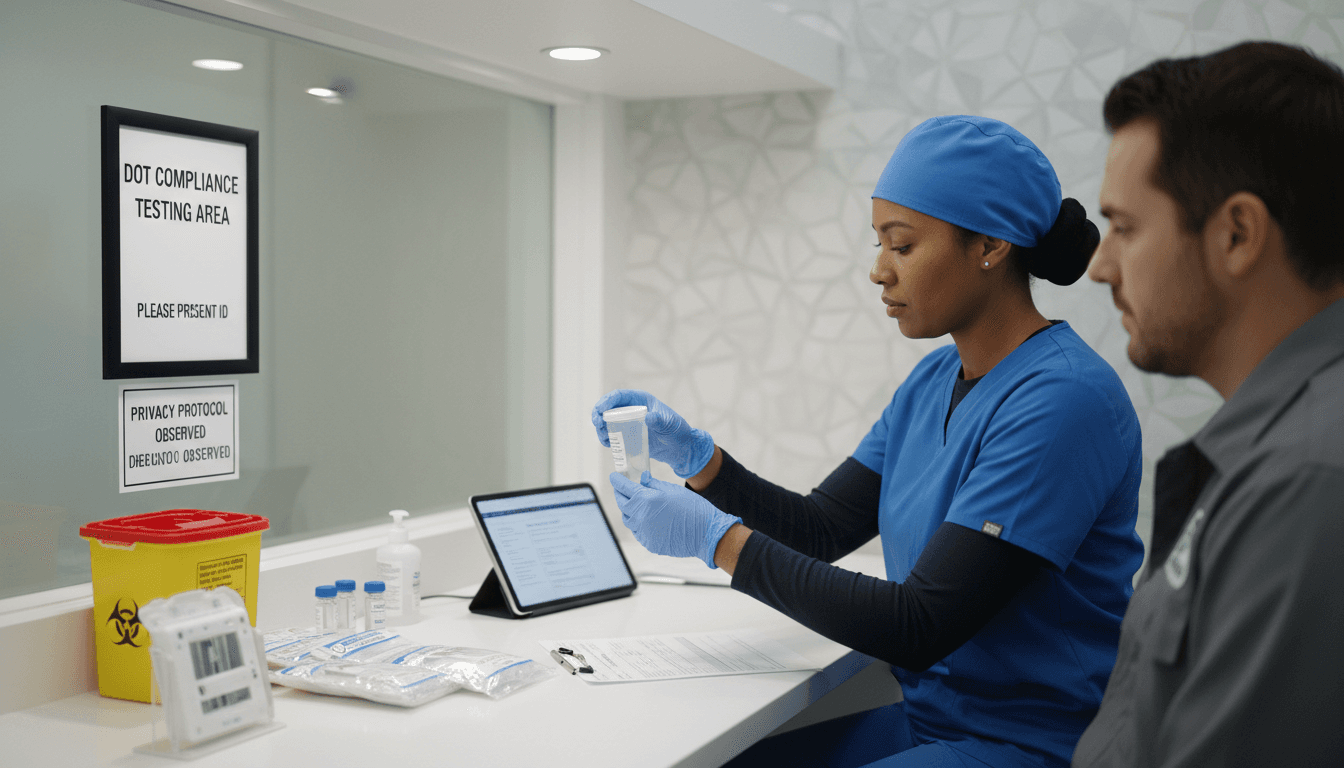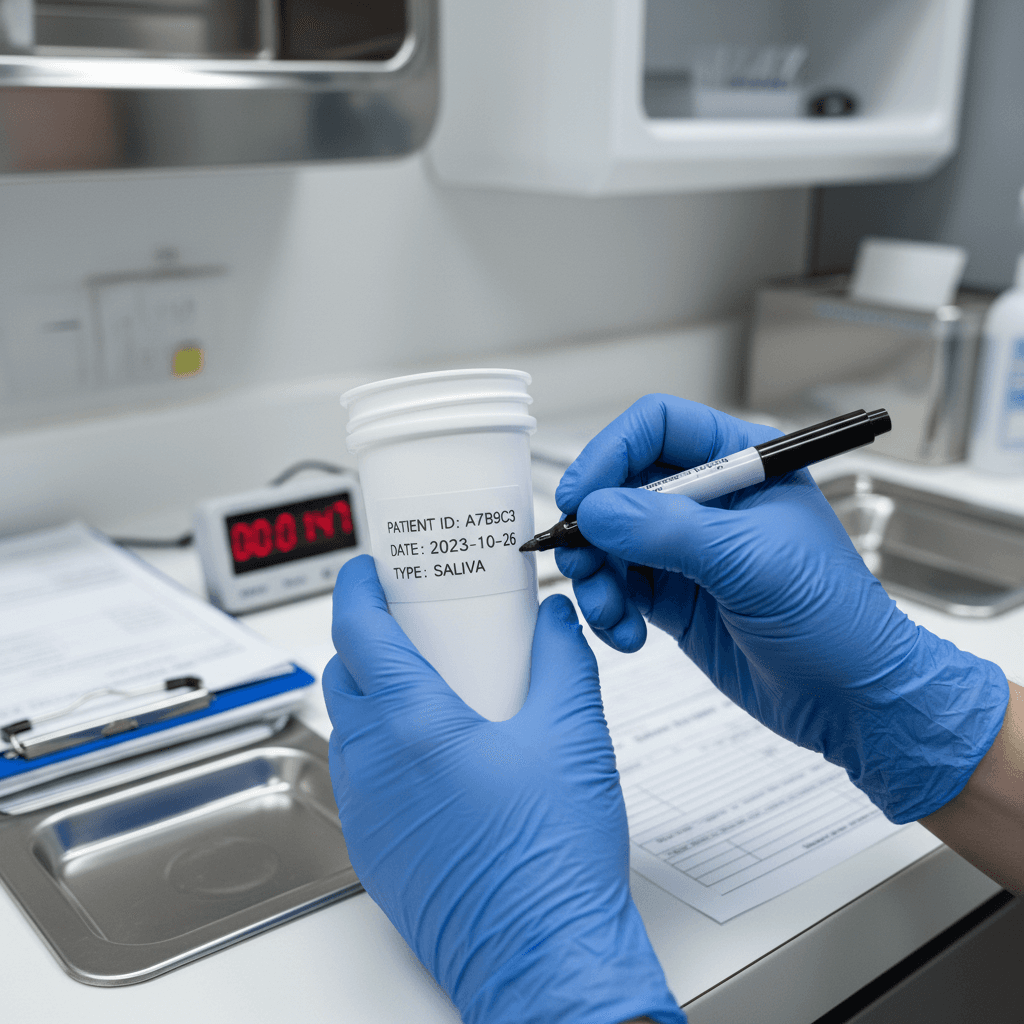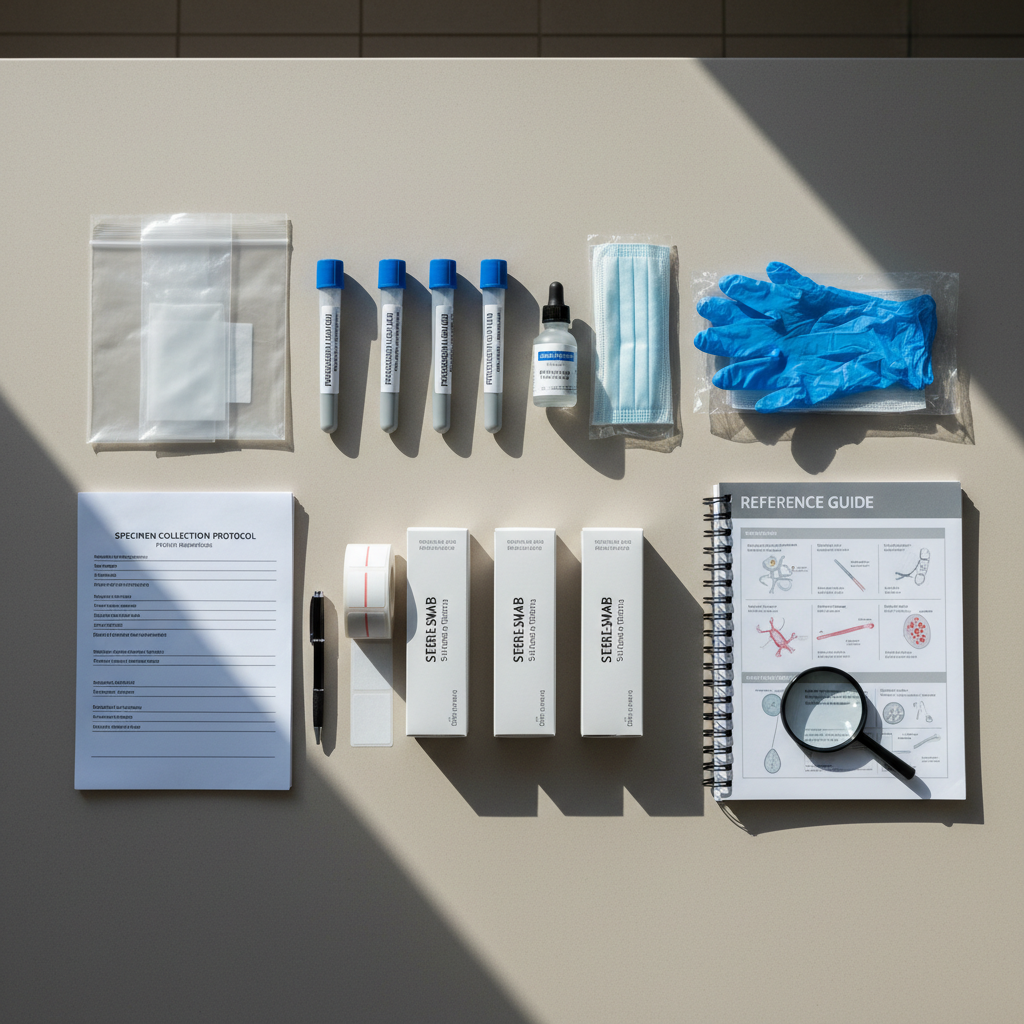
DOT oral fluid testing requirements cannot be implemented by employers yet because no laboratories have received the required HHS certification to process these specific specimens. Companies must continue using urine collection methods until labs are officially certified; full compliance and widespread availability are projected to occur around June 2026.
Navigating the shifting landscape of federal drug testing regulations often leaves Charlotte employers caught between the desire for efficiency and the necessity of compliance. You likely heard that DOT oral fluid testing is officially authorized; however, your safety managers are likely finding that implementing this method is currently impossible. This disconnect creates significant frustration for trucking and construction firms looking to simplify observed collections or reduce turnaround times. The delay stems from a specific HHS laboratory certification requirement that remains unfulfilled. In this guide, we clarify the timeline for 2024 and beyond; furthermore, we examine the technical cutoff levels and lab hurdles currently stalling the industry. You will learn how to maintain audit readiness while determining whether oral fluid or traditional urine testing serves your long-term operational goals.
The State of DOT Oral Fluid Testing in 2024 and 2026
In May 2023, the Department of Transportation (DOT) published a final rule that officially included oral fluid as an authorized specimen for drug testing. This announcement created significant anticipation among safety managers in Charlotte's trucking and construction sectors, as oral fluid testing is inherently observed and more difficult to subvert than traditional methods. However, a regulatory situation described as a factual impossibility has stalled implementation. While the policy exists on paper, the physical infrastructure to process these tests is not yet in place.
As of late 2024, no employer in Charlotte or elsewhere in the United States can legally conduct a DOT mandated oral fluid test. The reason is technical: the Department of Health and Human Services (HHS) has yet to certify any laboratories to process these specific specimens under DOT standards. To meet the current DOT oral fluid testing requirements, at least two laboratories must be certified: one to act as the primary testing facility and another to handle split-specimen re-testing. Until this hurdle is cleared, urine remains the only viable method for DOT compliance.
The DOT recently issued a direct final rule addressing this delay, citing June 10, 2026, as a potential milestone for certain regulatory sunset provisions. Local firms should understand that this date is not a guarantee of availability; the actual launch of oral fluid testing depends entirely on when labs receive their HHS credentials. For now, maintaining professional specimen collection services through traditional urine testing is the only way to ensure your fleet or job site remains audit ready. If you have questions about how these delays affect your specific drug free workplace policy, you can contact our Charlotte compliance team for expert guidance.
The HHS Lab Certification Hurdle: Why Two Labs are Required
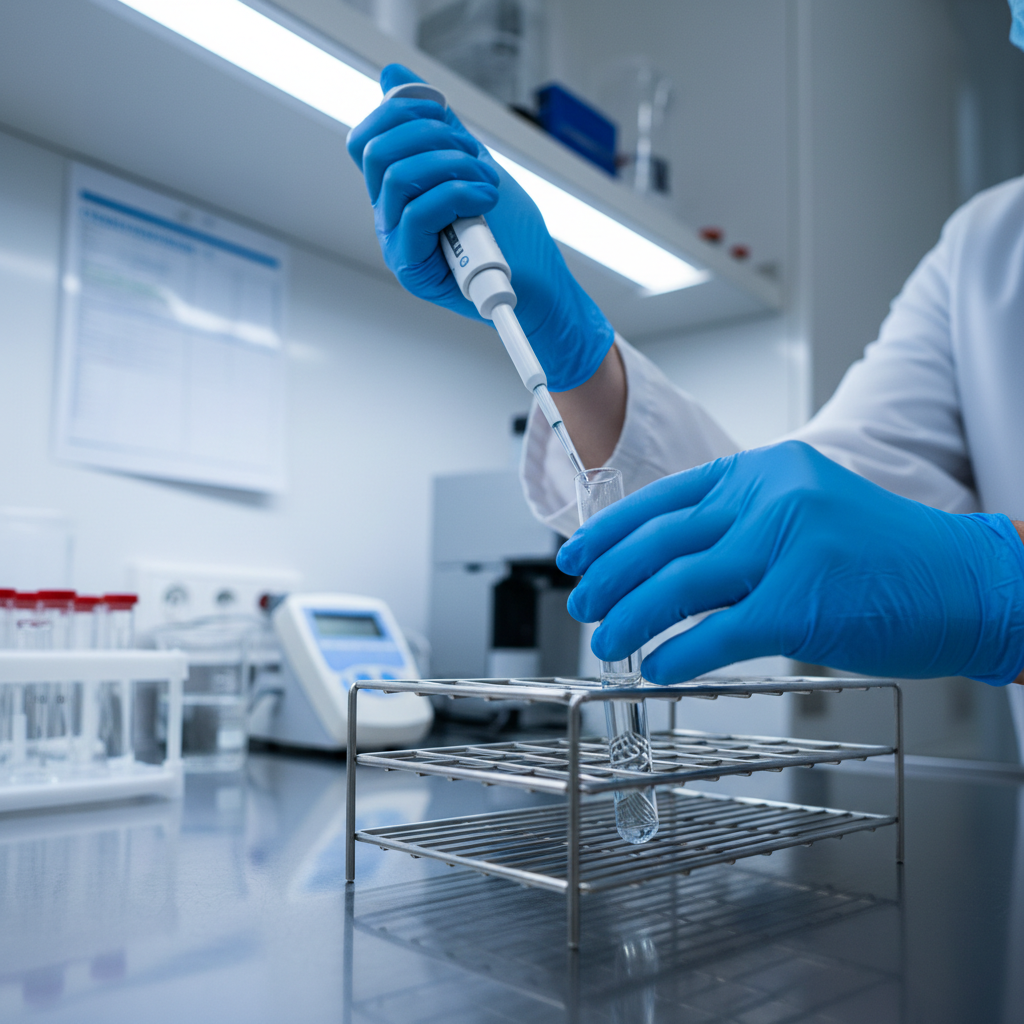
The bottleneck preventing the use of oral fluid stems from a core safety protocol in federal drug testing: the split specimen requirement. Under DOT Part 40, an employee has the right to have their specimen re-tested at a second, independent laboratory if the initial test returns a verified positive result. To satisfy this legal protection, the industry must have at least two HHS certified laboratories operational. One facility acts as the primary lab for initial screening and confirmation, while the second serves as the split specimen lab for re-testing.
The path to certification is grueling. Labs must first ensure their collection devices have received 510(k) clearance from the FDA, a process that validates the device’s safety and technical efficacy. Following this, the lab must meet the stringent standards of the National Laboratory Certification Program managed by HHS. This involves multiple rounds of proficiency testing and rigorous onsite inspections to prove the lab can accurately detect the low cutoff levels required for oral fluid.
Because no laboratory has yet cleared these combined hurdles, the DOT oral fluid testing requirements remain unfulfilled. This regulatory safeguard ensures that when the transition eventually happens, Charlotte employers can rely on the same level of legal defensibility provided by current urine testing methods. For updates on when these certifications go live, contact our Charlotte compliance team.
Understanding DOT Oral Fluid Testing Cutoff Levels and Guidelines
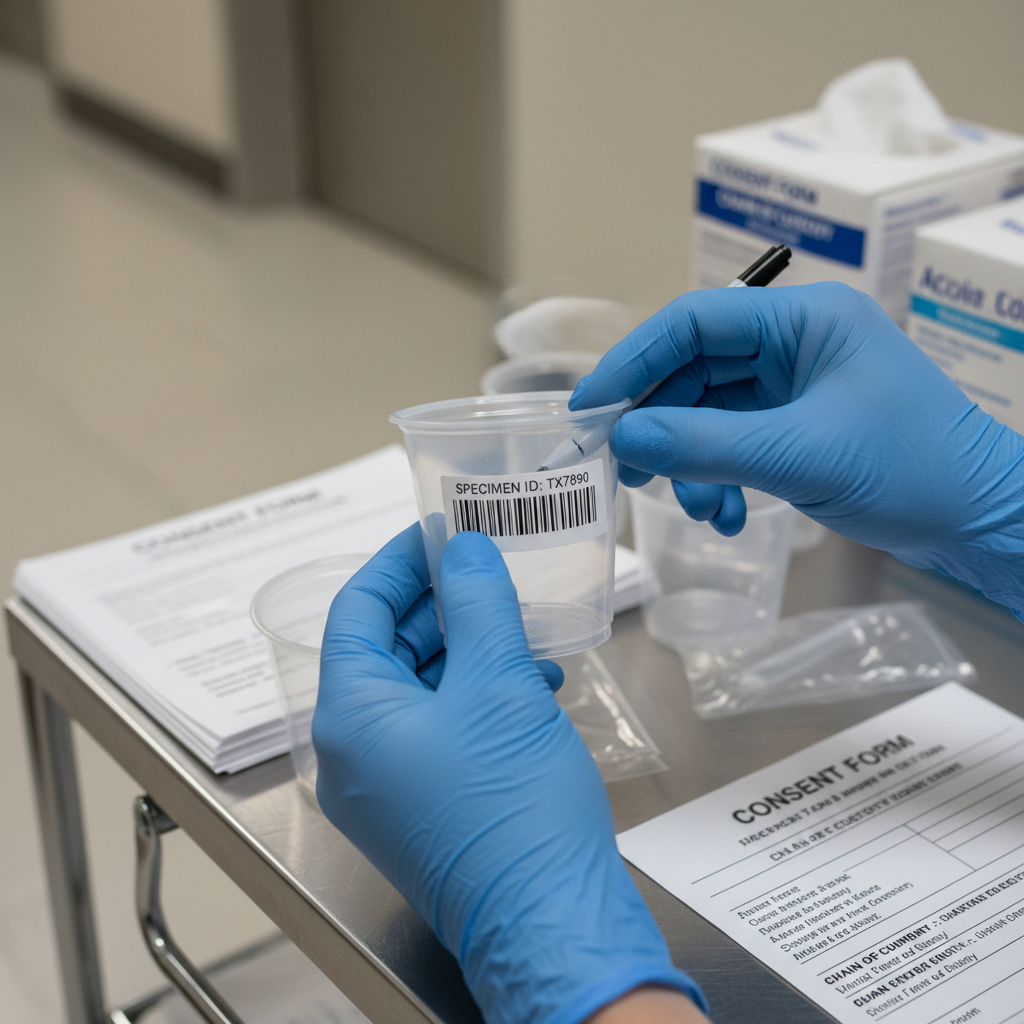
Once the necessary lab infrastructure is established, the technical protocols governing DOT oral fluid testing requirements will follow the strict cutoff levels set by the Department of Health and Human Services. These levels are designed to identify the presence of the "Big Five" drug classes with extreme precision. For Charlotte safety managers, understanding these concentrations is vital for evaluating the clinical effectiveness of a drug testing program. Unlike urine testing, which measures drug metabolites that have been processed by the body, oral fluid testing primarily detects the parent drug itself.
Drug Class | Initial Test Cutoff (ng/mL) | Confirmatory Test Cutoff (ng/mL) |
|---|---|---|
THC (Marijuana) | 4 | 2 |
Cocaine | 15 | 8 |
Opioids (Codeine, Morphine, 6-AM) | 30 | 15 |
Amphetamines (Meth, MDMA, MDA) | 50 | 25 |
Phencyclidine (PCP) | 3 | 2 |
The primary clinical advantage of oral fluid lies in its window of detection. While urine testing is excellent for identifying drug use that occurred days or even weeks ago, it often fails to capture very recent use because the body needs time to metabolize the substance into the bladder. Oral fluid can detect most drugs within minutes to hours of ingestion. This makes it an exceptionally powerful tool for post accident or reasonable suspicion testing where the goal is to determine if a driver or operator was potentially impaired at the time of the incident.
By incorporating these specific cutoff levels, the DOT ensures that oral fluid testing remains a legally defensible and scientifically sound method. For local firms in logistics or construction, this shift represents a move toward capturing "real time" safety data. If you are preparing to update your company policy to include these new standards, you can contact our Charlotte compliance team to ensure your language matches these federal benchmarks. Maintaining professional specimen collection services that adhere to these technical guidelines will be the cornerstone of a compliant workplace once the labs are finally operational.
Impact on Audit Compliance for Charlotte Trucking and Construction Firms
Charlotte serves as a critical nexus for Southeastern logistics and rapid infrastructure growth. For a trucking fleet based near the I-485 loop or a heavy construction firm managing regional development projects, maintaining audit compliance is a non-negotiable aspect of daily operations. Federal Motor Carrier Safety Administration (FMCSA) auditors frequently inspect drug testing records to ensure every specimen was collected and analyzed according to strict Part 40 standards. If a Charlotte employer attempts to implement an unauthorized testing method now, they risk immediate and severe regulatory penalties.
Despite the 2023 rule change, any oral fluid test conducted today would fail the test of audit compliance because it lacks the mandatory backing of two HHS certified laboratories. Using a non-certified lab or an unauthorized collection kit during a DOT mandated event is a significant violation. This can lead to heavy civil fines or an "unsatisfactory" safety rating. For firms in logistics and construction, such a rating often results in the loss of lucrative master service agreements or the temporary grounding of a fleet. Until the federal government formally greenlights specific laboratories, adhering to traditional urine collection protocols is the only way to remain 100 percent compliant with DOT oral fluid testing requirements.
Staying ahead of these regulatory nuances prevents costly mistakes during an unexpected audit. Maintaining professional specimen collection services through the established urine pathway ensures that your files contain the correct Federal Drug Testing Custody and Control Forms that auditors expect to see. If you are uncertain how to document your current program to maintain peak audit compliance, you should contact our Charlotte compliance team to review your safety protocols and avoid the pitfalls of premature adoption.
The Short-Term Solution for Observed Collections
The Department of Transportation recognized that the factual impossibility of lab certification created a regulatory loophole for mandatory observed collections. Originally, the May 2023 rule intended for all observed tests, such as return to duty or follow up testing, to be handled via oral fluid because the method is naturally secure and less invasive. However, without certified labs, employers were left without a compliant way to fulfill these specific DOT oral fluid testing requirements. In response, a direct final rule became effective in June 2024, reauthorizing the use of directly observed urine collections as a temporary bridge.
This rule serves as a critical pivot for Charlotte companies managing safety sensitive employees. If an employee produces an invalid specimen without a medical explanation or is undergoing testing for a return to duty event, the employer must still utilize directly observed urine collection until oral fluid infrastructure is fully operational. This sunset provision remains in effect until exactly one year after the HHS certifies a second oral fluid laboratory. For local firms that were eager to move away from the privacy challenges and administrative burdens of observed urine tests, this means the status quo persists for the foreseeable future. Maintaining professional specimen collection services that strictly follow these updated protocols is essential for avoiding a gap in your safety program. To understand how these temporary rules impact your current testing pool, you can contact our Charlotte compliance team for a detailed policy review.
Oral Fluid vs Urine: Which Method Should Your Business Choose Long-Term?
As the regulatory landscape stabilizes, Charlotte employers must decide how to integrate these two methods into their long term safety strategies. While urine testing has been the industry standard for decades, the upcoming availability of oral fluid offers distinct advantages in data integrity. Oral fluid collection is inherently observed. Because the collector watches the swab being placed in the donor's mouth, the opportunities for a donor to substitute or dilute a specimen are virtually eliminated. This removes the subversion risk associated with private bathroom urine collections without violating the donor's privacy or dignity.
Testing Factor | Urine Testing (Traditional) | Oral Fluid Testing (Future State) |
|---|---|---|
Collection Requirements | Requires specialized, private bathroom | Can be conducted in any quiet, clean space |
Subversion Risk | Higher (substitution, dilution, masking) | Extremely low (directly observed) |
Shy Bladder/Dry Mouth | High (up to 3-hour mandatory wait) | Lower risk (hydration usually sufficient) |
Detection Window | Longer term (days to weeks) | Immediate/Recent use (minutes to hours) |
Direct Costs | Lower lab and device fees | Anticipated higher initial fees |
From a cost benefit perspective, the higher lab fees for oral fluid tests are often offset by significant operational gains. In the trucking and construction sectors, time is a literal currency. A shy bladder incident during a urine collection can sideline a driver or supervisor for three hours, resulting in lost productivity and delayed project milestones. Oral fluid collections typically take less than ten minutes, which keeps your team on the job. Furthermore, the professional specimen collection services provided by sites like TL Works in Charlotte can become more agile because oral fluid does not require the same dedicated plumbing or specialized toilet facilities as urine to meet DOT oral fluid testing requirements.
Ultimately, the choice depends on your specific safety goals. If your priority is identifying chronic use or long term habits, urine remains a highly effective and cheaper tool. However, if your goal is to maximize fleet uptime and ensure the highest levels of collection integrity, oral fluid is the logical successor once certification is complete. If you need assistance drafting a proactive company policy that utilizes the strengths of both methods, you should contact our Charlotte compliance team to prepare your business for the transition.
While oral fluid testing offers a promising shift for DOT compliance, the current lack of certified laboratory infrastructure means Charlotte employers must continue with traditional urine testing for now. Navigating these evolving regulations can be complex, especially when you are trying to maintain a safe and legal workplace. If you would like professional guidance on managing your screening program, you can learn more about how TL Works supports local businesses with expert compliance solutions.