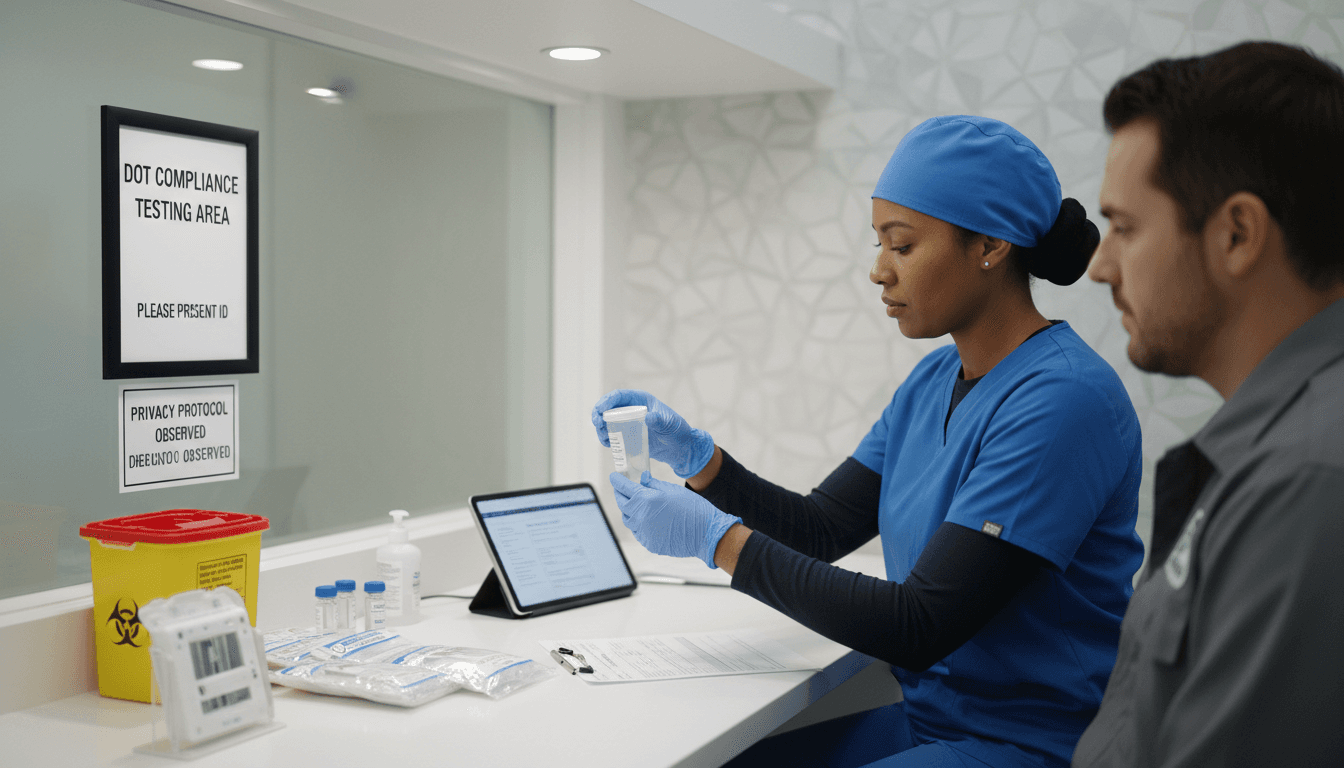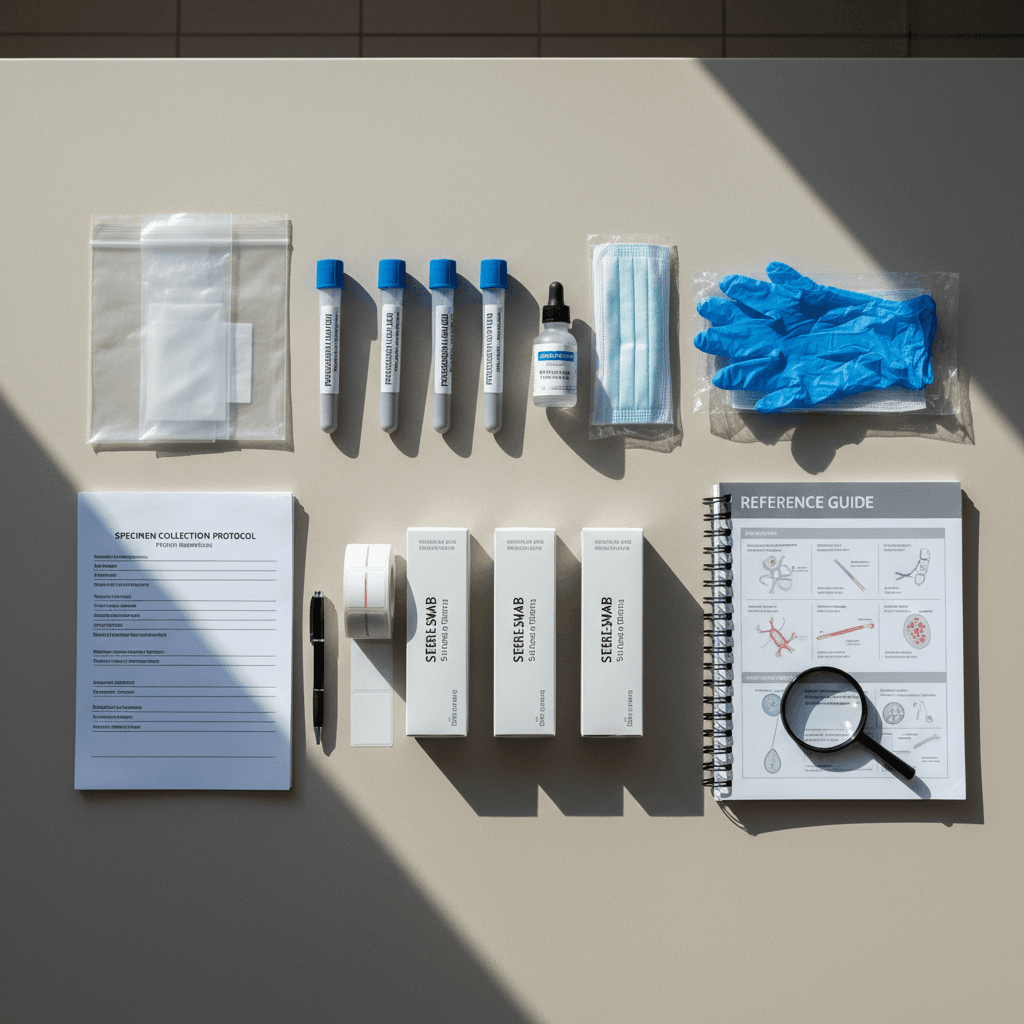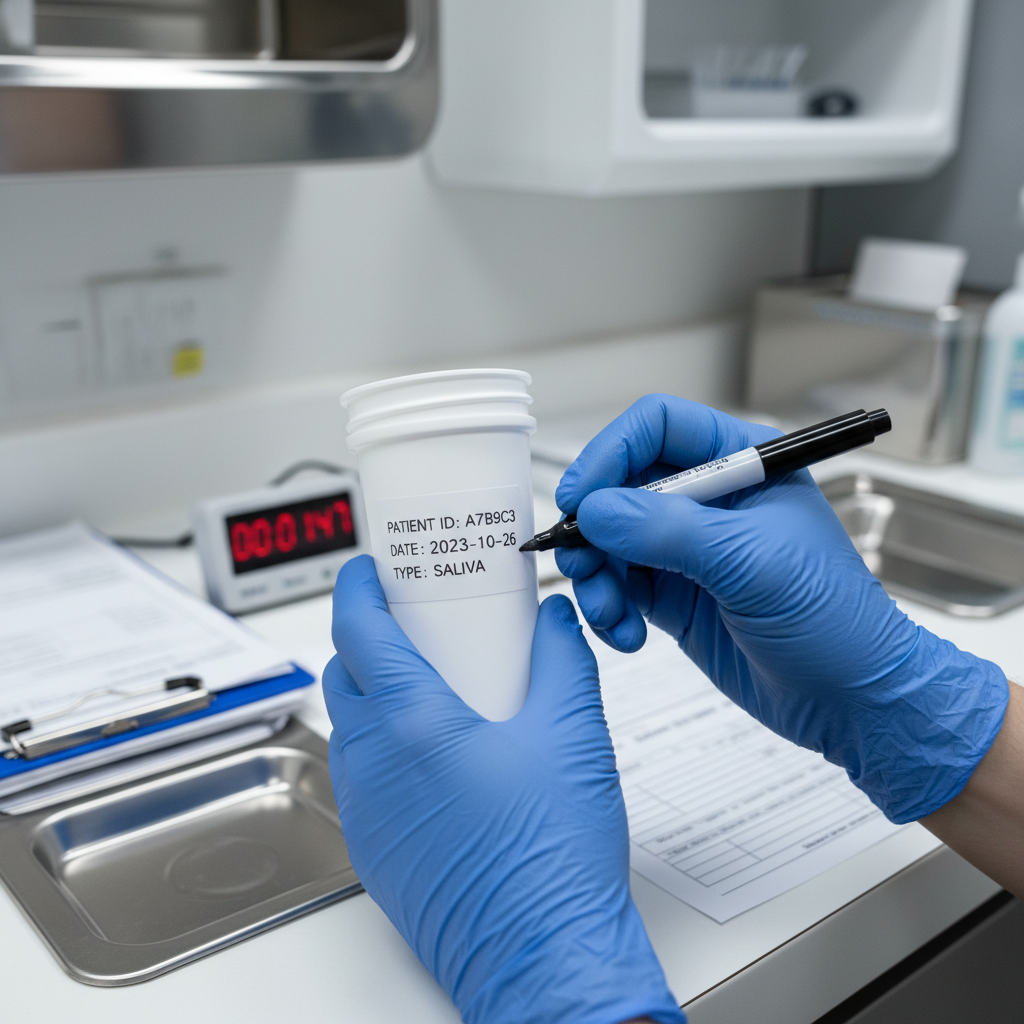
DOT alcohol testing rules mandate that a blood alcohol concentration of 0.04 or higher requires immediate removal from duty and evaluation, while a result between 0.02 and 0.039 necessitates a 24-hour suspension. Following a reportable accident, employees must undergo testing within eight hours and are prohibited from consuming alcohol until the test is complete or the time limit expires. To ensure accuracy, any necessary confirmation tests must be conducted between 15 and 30 minutes after the initial screening.
Managing a commercial fleet requires navigating a complex web of federal mandates where a single procedural error can lead to severe liability. For fleet managers in Charlotte, the confusion surrounding DOT alcohol testing rules often centers on the subtle differences between a 0.02 and a 0.04 blood alcohol concentration. These thresholds do more than just measure intoxication; they trigger specific legal consequences that can sideline your drivers and expose your business to regulatory scrutiny. This guide clarifies the two tier violation system and provides a practical breakdown of the critical post accident timing requirements. You will learn how to avoid the common traps of testing refusals and understand the technical differences between screening and confirmation tests. Mastery of these rules ensures your safety program remains compliant while protecting your company from avoidable legal risks.
Navigating DOT Alcohol Testing Rules for Charlotte Fleet Managers
Charlotte serves as a critical logistics nexus for the Southeast, where the intersection of I-77 and I-85 creates a high volume of commercial traffic. For fleet managers operating in this metro area, maintaining DOT drug and alcohol testing compliance is not just a regulatory hurdle; it is a fundamental pillar of public safety and business continuity. While most safety officers are well versed in the protocols for drug screenings, the specific DOT alcohol testing rules often present a more complex challenge. These regulations feature unique thresholds and significantly tighter timing requirements that, if misunderstood, frequently lead to failed DOT audits and increased liability.
Unlike drug tests that offer a multi-day window for collection after certain incidents, alcohol testing operates on a clock measured in mere hours. Missing these windows or failing to act on specific breath alcohol concentration (BAC) results can result in immediate driver disqualifications or heavy fines. TL Works understands the pressures facing motor carriers and construction firms in the Queen City. We provide the localized expertise and specialized specimen collection services necessary to navigate these high stakes scenarios. To ensure your fleet stays on the road and in full compliance, contact TL Works for professional collection support tailored to the Charlotte market.
The 0.02 vs 0.04 Threshold: Understanding the Two Tier Violation System
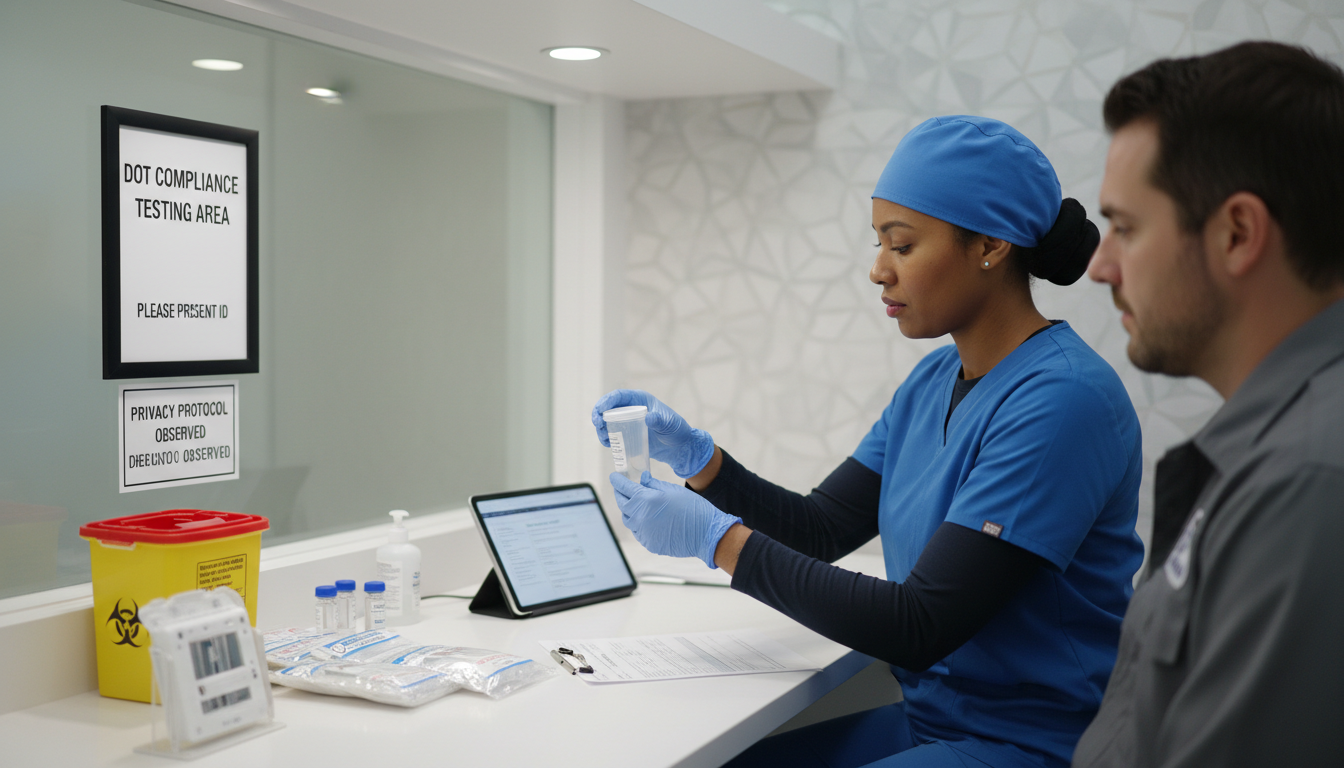
Compliance within the FMCSA and other DOT agencies hinges on two specific numbers: 0.02 and 0.04. While the general public often associates impairment with the 0.08 limit used for personal vehicles, the standards for commercial motor vehicle operators are significantly more stringent. Misinterpreting these thresholds can lead to a fleet manager accidentally allowing a driver to return to work prematurely, which creates an enormous liability for businesses operating around Charlotte's busy transit hubs.
The lower threshold of 0.02 to 0.039 breath alcohol concentration (BAC) is a cautionary zone that still requires immediate action. If a driver tests within this range, they are not technically in violation of DOT regulations in a way that triggers a permanent record in the Clearinghouse, but they must be removed from all safety-sensitive functions for a minimum of 24 hours. For a construction foreman in Uptown or a dispatcher at a local logistics firm, this means the driver is effectively out of commission for the next full shift. The driver does not require a Substance Abuse Professional (SAP) evaluation for a 0.02, but they cannot step back into the cab until the 24-hour period has fully elapsed.
A result of 0.04 or higher constitutes a formal violation of DOT alcohol testing rules. This level triggers an immediate and mandatory removal from safety-sensitive duties. Unlike the 24-hour benching for lower levels, a 0.04 result requires the driver to complete the entire SAP return-to-duty process, which includes evaluation, treatment or education, and a successful return-to-duty breath test.
BAC Result | DOT Classification | Immediate Action Required | Return-to-Duty Requirement |
|---|---|---|---|
0.00 to 0.019 | Negative | None; driver may continue working. | N/A |
0.02 to 0.039 | Non-Violation Presence | Mandatory 24-hour removal from duty. | None after the 24-hour period expires. |
0.04 or Higher | Formal DOT Violation | Immediate removal from safety-sensitive tasks. | Full SAP evaluation and return-to-duty testing. |
Employers must recognize that even if a result falls below 0.04, the 24-hour removal rule is not optional. Failing to enforce this can result in severe penalties during a DOT audit. Ensuring that your specimen collection services utilize precise, calibrated equipment is the only way to protect your company from the ambiguity of these two tiers. For assistance in managing these results or to establish a robust testing program, contact TL Works to ensure your DOT drug and alcohol testing compliance remains unshakeable.
Prohibited Alcohol Use Rules Beyond Simple Intoxication
Compliance with DOT alcohol testing rules extends beyond the numbers on an Evidential Breath Testing device. The FMCSA establishes strict behavioral prohibitions that fleet managers must enforce, regardless of a driver’s biological alcohol level. These rules address the reality of workplace safety in high activity zones, such as the logistics corridors near the Charlotte Douglas International Airport or major construction developments in the South End.
The following behaviors constitute a direct violation of DOT regulations:
The Four Hour Rule: Drivers are strictly prohibited from performing safety sensitive functions within four hours of consuming alcohol. This window ensures that even if a driver's metabolism is fast, the behavioral influence of recent consumption is mitigated before they enter the cockpit of a heavy vehicle.
The Possession Rule: An operator may not possess alcohol while on duty or operating a commercial motor vehicle (CMV). This include the cab and sleeper berth. The only exception is if the alcohol is part of a manifested shipment being transported as cargo.
On Duty Use: Any consumption of alcohol while performing safety sensitive duties, including waiting to be dispatched or supervising the loading of a trailer at a Charlotte distribution center, is a violation.
It is vital for employers to understand that these are behavioral violations. If a driver is caught with an unmanifested container of alcohol in the cab at a job site near the I-77 and I-85 interchange, they have violated federal law even if their breath test returns a 0.00 result. Maintaining DOT drug and alcohol testing compliance requires a policy that accounts for these nuances. For guidance on implementing these standards or to schedule specimen collection services, you should contact TL Works to ensure your fleet remains audit ready and safe.
The Post Accident Timing Trap: The Two Hour and Eight Hour Windows
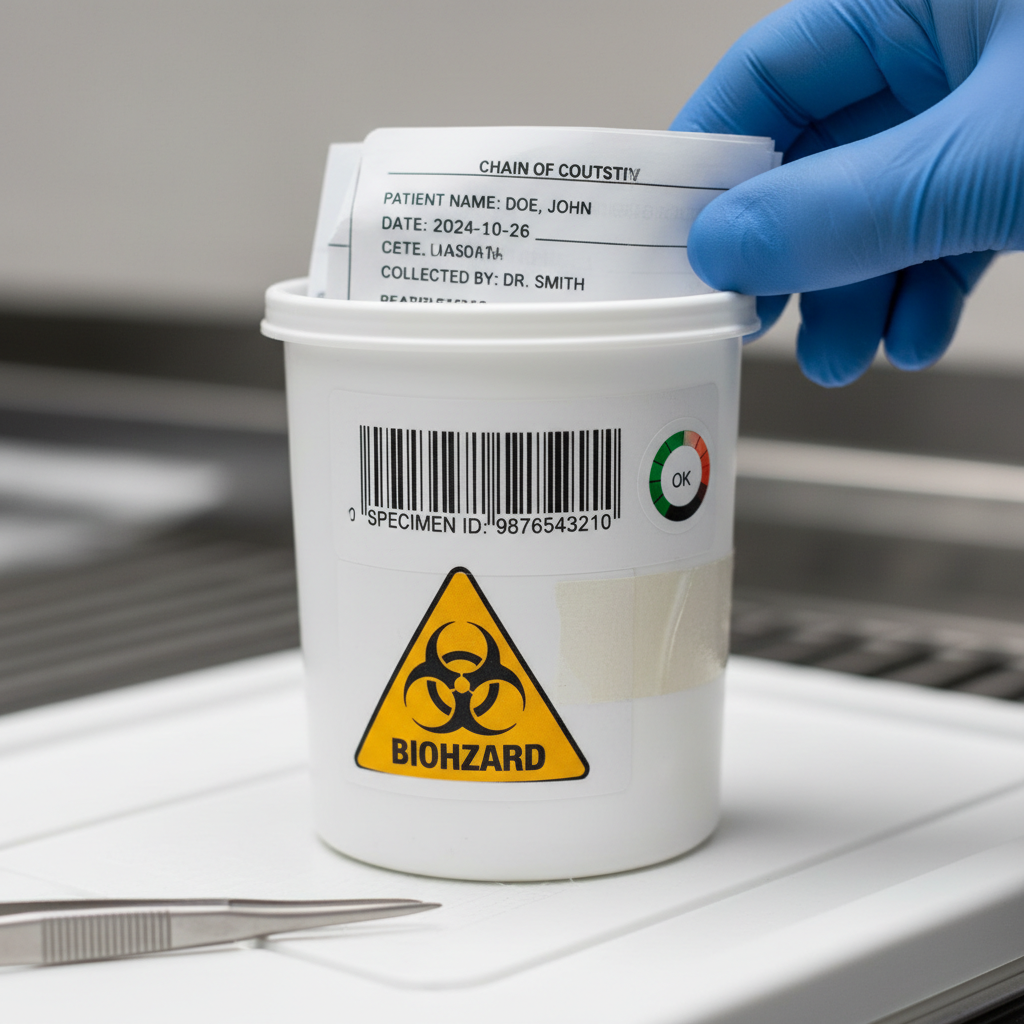
While behavioral rules provide a baseline for daily operations, the most stressful application of DOT alcohol testing rules occurs immediately following a reportable accident. In these high pressure moments, employers often fall into a timing trap. Unlike drug testing, which allows for a relatively generous 32 hour window, alcohol testing is governed by a clock that stops almost as soon as it starts.
The federal mandate requires that an alcohol test be administered within two hours of a qualifying incident. If the two hour window is missed, the employer must prepare and maintain a record stating the reasons the test was not promptly administered. This is not a suggestion; it is a documentation requirement that auditors look for specifically. If the test cannot be completed within eight hours, all attempts must cease. At this point, the employer must update their records to document why the test was not conducted at all.
This discrepancy between alcohol and drug testing timelines often causes confusion for dispatchers and safety officers. A driver has over a day to complete a drug screen; however, they have less than a standard shift to complete the alcohol portion. The logistical challenges of moving a driver from a crash site on I-85 to a collection facility in the middle of Charlotte traffic can easily consume that two hour window.
Test Type | Initial Documentation Window | Final Cutoff for Testing |
|---|---|---|
Alcohol | 2 Hours (Must document delay) | 8 Hours (Must cease attempts) |
Controlled Substances | N/A | 32 Hours |
Furthermore, the driver is strictly prohibited from consuming any alcohol for eight hours following the accident or until they have undergone the required test, whichever comes first. This rule prevents drivers from claiming they only drank to "calm their nerves" after the crash occurred. To navigate these rigid timelines without error, many local firms rely on mobile or rapid specimen collection services to ensure immediate response. Maintaining DOT drug and alcohol testing compliance requires a clear protocol for post accident scenarios. For help establishing these procedures or coordinating emergency testing, contact TL Works to ensure your response plan is audit proof.
What Counts as a Refusal to Test for Alcohol
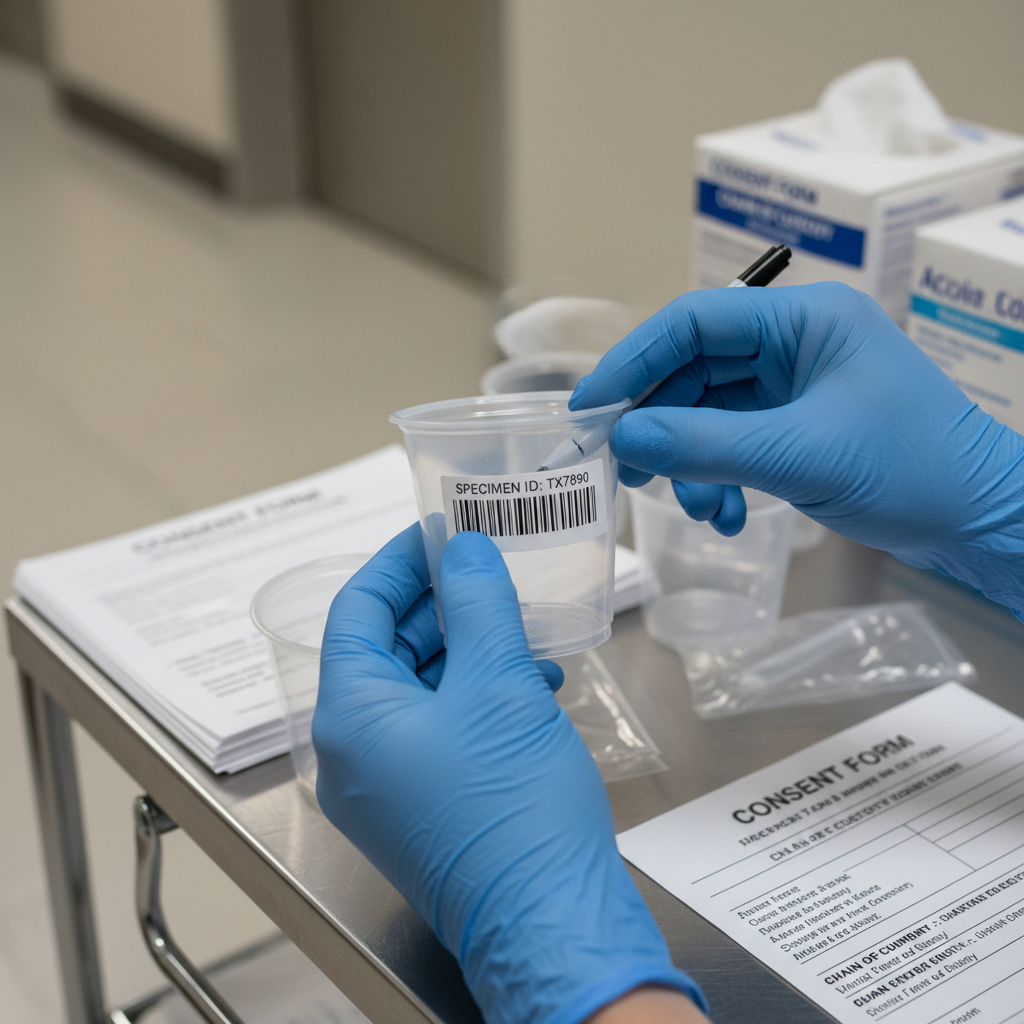
Given the tight timelines discussed in post accident scenarios, a driver’s actions at the collection site are just as critical as the timing itself. Under DOT alcohol testing rules, a refusal to test carries the same legal weight as a breath alcohol concentration of 0.04 or higher. This means the driver must be immediately removed from safety sensitive duties and cannot return until they complete the full Substance Abuse Professional (SAP) process.
One common point of confusion is the shy lung scenario. If a driver is unable to provide a sufficient amount of breath for an Evidential Breath Testing (EBT) device, the technician must attempt a second time. If the driver still cannot produce enough volume, they must undergo a medical evaluation by a licensed physician acceptable to the employer. This evaluation determines if a legitimate medical condition exists or if the failure was a deliberate refusal.
Other refusal triggers include: - Failing to appear at the collection site in the timeframe specified by the employer. - Leaving the site before the testing process is complete. - Failing to provide a second breath sample after a screening test result of 0.02 or higher. - Failing to cooperate with the technician or behaving in a way that prevents the completion of the test.
To maintain DOT drug and alcohol testing compliance, Charlotte fleet managers must treat these behavioral failures with the same urgency as a positive result. For professional specimen collection services that follow these strict protocols, contact TL Works to ensure your company stays protected from liability and avoids audit discrepancies.
DOT Breath Alcohol Testing Procedures: Screening vs Confirmation
Understanding what constitutes a refusal is the first step; knowing how a valid test is conducted according to DOT alcohol testing rules is the second. All DOT alcohol tests must be performed using an Evidential Breath Testing (EBT) device listed on the National Highway Traffic Safety Administration’s Conforming Products List. The process begins with a screening test. If the initial result is less than 0.02, the technician signs the result and the process is complete. However, if the screening result is 0.02 or higher, a confirmation test is legally required to finalize the result.
Step | Action | Required Timing |
|---|---|---|
Screening Test | Initial breath sample on EBT device. | Immediate. |
Deprivation Period | Mandatory wait if screening is 0.02 or higher. | 15 to 30 minutes. |
Confirmation Test | Second breath sample for final result. | Must occur after 15 but before 30 minutes. |
The timing of this confirmation test is one of the most litigated aspects of DOT drug and alcohol testing compliance. The technician must wait at least 15 minutes, but no more than 30 minutes, before conducting the second test. This deprivation period serves a vital scientific purpose; it allows any residual mouth alcohol, which might come from recent consumption, certain medications, or even a burp, to dissipate. This ensures the EBT measures only the alcohol concentration in the deep lung air, which accurately reflects the driver’s blood alcohol level.
During this wait, the collector must instruct the driver not to eat, drink, smoke, or put anything in their mouth. For fleet managers in the Charlotte area, ensuring your specimen collection services strictly adhere to this wait period is critical. If a technician rushes the process and performs the confirmation test at 10 minutes, the result can be successfully challenged in court or flagged during a DOT audit as a procedural error. Accuracy in these steps protects your company from wrongful termination suits and regulatory fines. To ensure your testing protocols meet these exacting federal standards, contact TL Works for expert collection support.
Navigating DOT alcohol testing requirements requires a firm grasp of threshold limits and strict reporting windows. Knowing exactly when to test after an accident and how to interpret results ensures your business stays compliant with federal safety standards. If you want expert help managing your testing program or staying up to date with changing regulations, our team is here to support you. You can learn more about TL Works and how we help employers maintain a safe, compliant workplace for every driver.